Reviewing
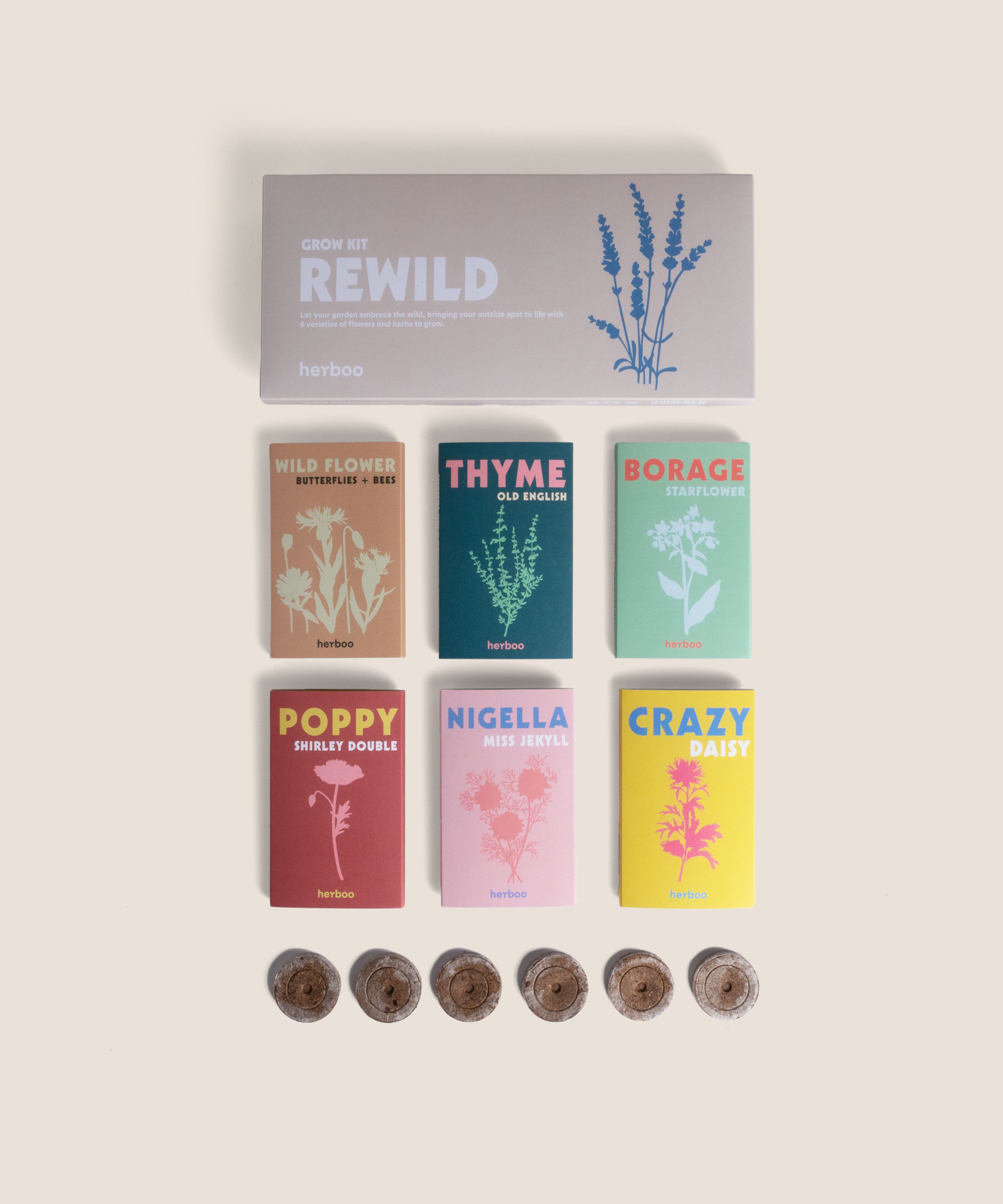
Rewild Garden Seed Box2 Sept 2026
Quick delivery
thanks guys
Tom Waites
Borago Officinalis
Grow borage from seed for vibrant blue edible flowers with a fresh cucumber flavour. A fast-growing, pollinator-friendly plant loved by bees, borage is ideal for teas, salads, and informal garden borders. Traditionally associated with courage, borage is easy to grow and brings both beauty and usefulness to the garden.
Approx 50 seeds
Delivered in 2–3 working days — letterbox delivery from £2.95, free over £25
 We offset delivery emissions
Want to send this as a gift? Add a gift note in your bag.
Borage seeds are easy to sow from spring to early autumn, producing vibrant, edible blue flowers that attract pollinators. Grow in full sun with well-drained soil, watering regularly. Harvest flowers and young leaves for salads or garnishes from early summer onwards.
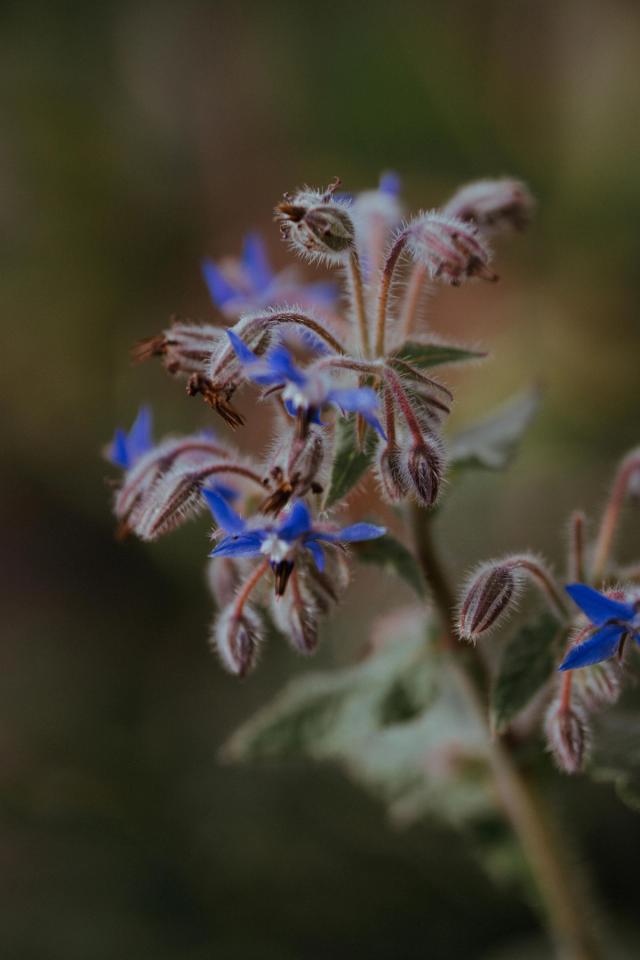
Borage (Borago officinalis) is a charming, hardy annual known for its star-shaped blue flowers and edible leaves. Traditionally valued for courage, today it’s prized in gardens for salads, teas, and attracting pollinators. Sow your own borage seeds to enjoy its beauty and flavour.
Delivered within 2–3 working days. On its own, this packet ships letterbox delivery at £2.95. Fits through a standard letterbox, so no one needs to be home.
Delivery is priced on the size of your whole order, so adding more may move it into the next band:
Gifting. We can include a handwritten note — add your message in your bag.
More info in our FAQs, or get in touch if something hasn’t arrived.
Borage is best sown directly outdoors from March to June in a sunny spot with well-drained soil, such as window boxes, balconies, containers or garden beds. It looks after itself once established, growing quickly to about 0.6m tall with a spread of 0.45m.

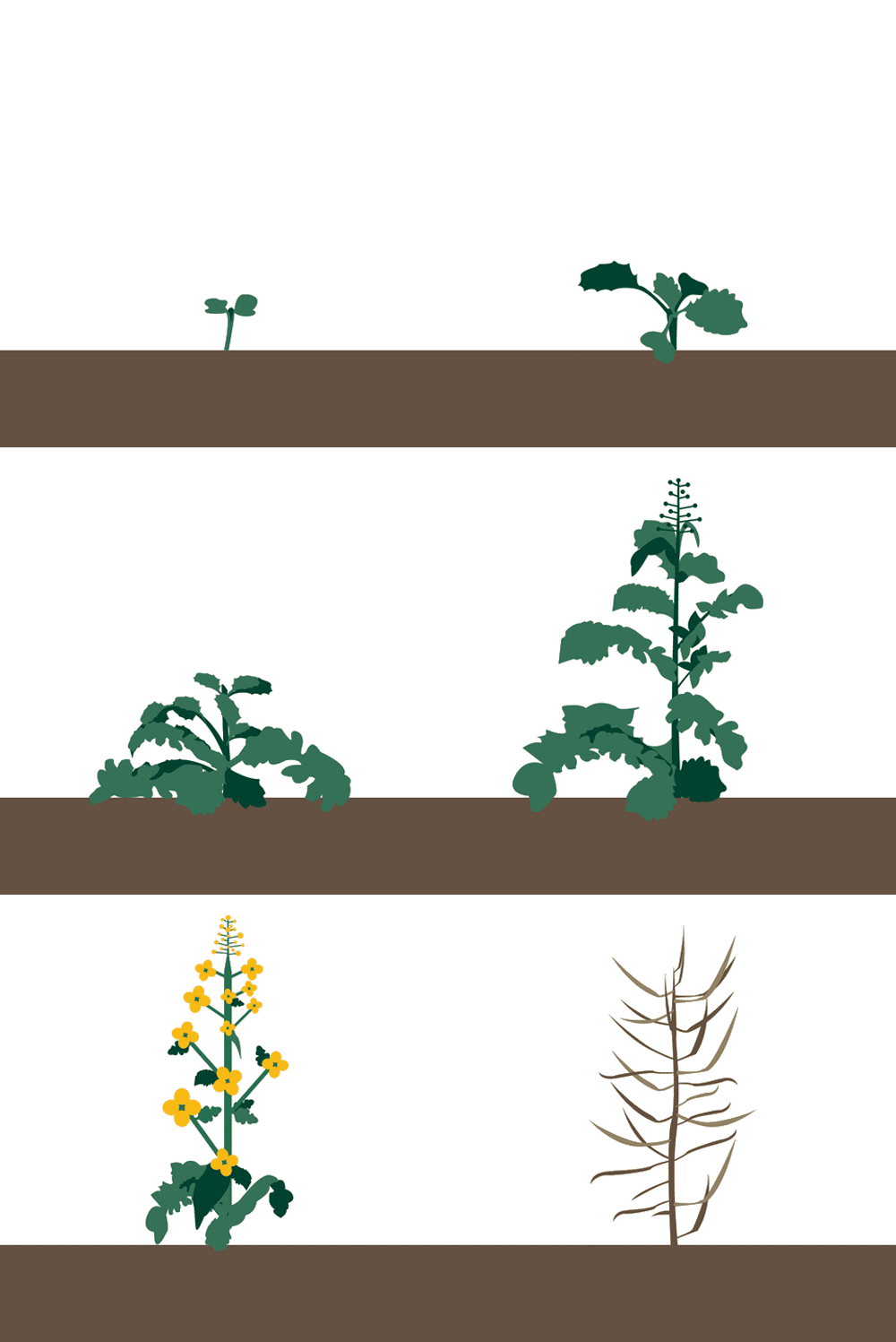
Sow borage seeds directly onto firm, damp soil and cover lightly. Keep the soil just moist to encourage germination within 7 to 14 days in warm conditions.

Thin seedlings to 30–40cm apart to allow room for the plant's 0.6m height and 0.45m spread. Growing from June to September, borage thrives in full sun and minimal attention is required.

Water borage during prolonged dry spells to maintain steady growth. Regularly harvest the edible, pollinator-friendly flowers to promote continuous blooming and remove any unwanted self-seeded plants to manage spread.
Easy to grow and generous in habit, borage thrives in pots or garden beds and quickly fills space with lush, starry blue flowers. Loved by bees and other beneficial insects, it’s a brilliant pollinator plant, while its edible flowers and young leaves add a fresh, cucumber-like flavour to drinks and dishes.


Historically, borage symbolised bravery and was used by ancient Greeks and Romans. Its vibrant flowers were woven into medieval tapestries and used by Crusaders. Today, it remains a favourite for gardeners wanting a splash of colour and flavour.
| Other Names | Burrage, common bugloss, bee-bread, bee fodder, star flower, ox's tongue, and cool tankard. |
|---|---|
| Pet/Baby Safe | Flowers are edible as a garnish; not for teas or regular eating |
Sow seeds directly in well-drained soil after the last frost. Thin seedlings to 20-30cm apart. Sow borage seeds directly onto firm, damp soil and cover lightly. Keep the soil just moist to encourage germination within 7 to 14 days in warm conditions.
Seedlings usually appear in 7–14 days at 15–20°C. Sow from March to June.
Typically up to 60cm tall.
Yes, the blue flowers are edible and great in salads or as decoration. Harvest: Pick edible flowers and young leaves from 8 weeks. Flowering runs June to September. Watering: regular watering, keep soil moist but not waterlogged.
Yes — this is a straightforward packet to give, and what makes it work as a gift is mostly timing. Sowing runs March to June, so a packet given inside that window can go straight in, and one given outside it keeps perfectly well until the season comes round.
There are approximately 50 seeds in the packet. On effort it looks after itself, which matters if you are giving it to someone new to growing. It suits beds, borders and pollinator-friendly gardens, so it works for a small space as well as a garden.
No reviews yet for Borage Seeds. If you have grown it, yours would be the first.
Recent reviews of other Herboo seeds. These are not ratings of Borage Seeds.
thanks guys
thanks
Lovely packet of seeds, bought one for me and one as gift :)