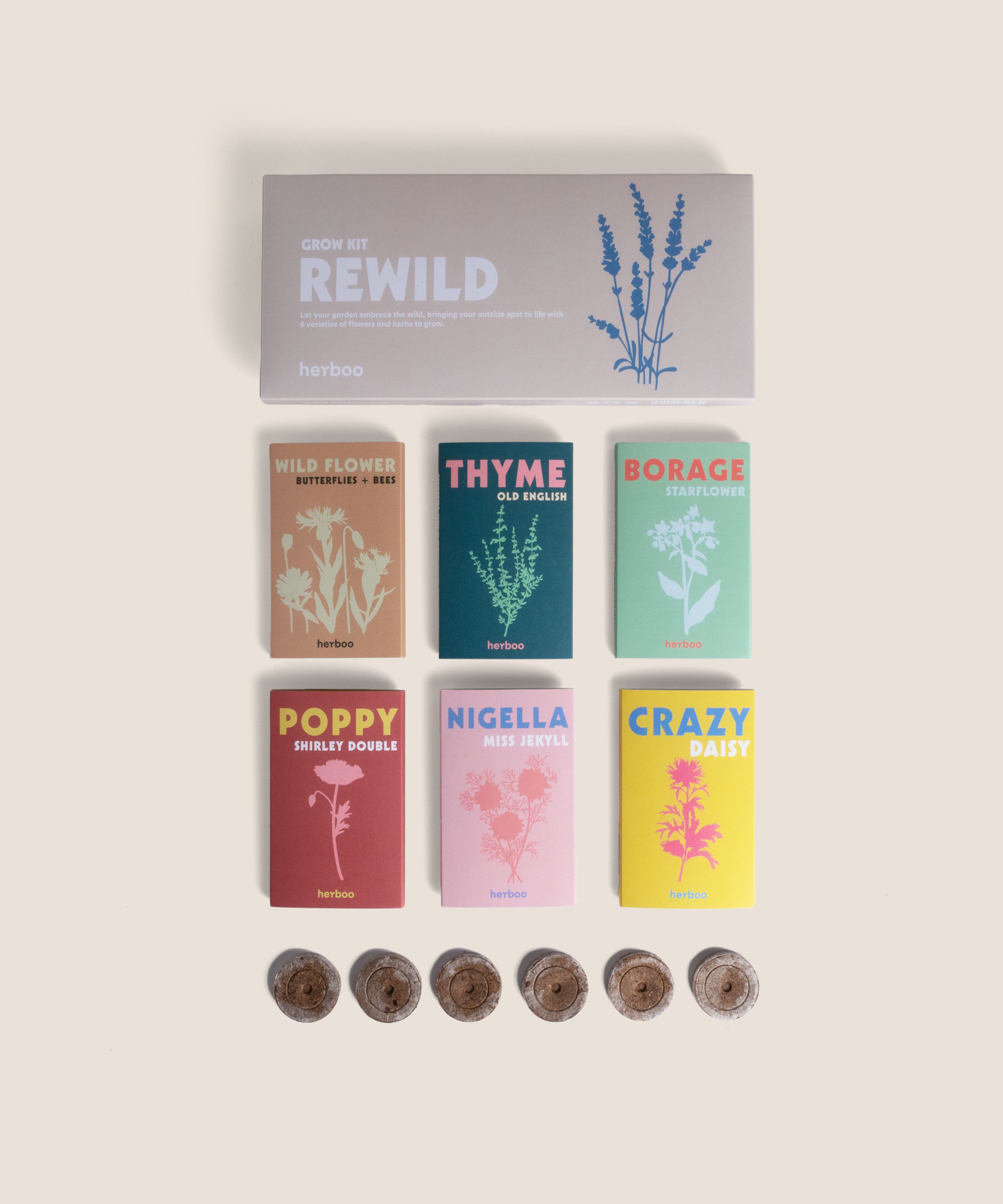
Reviewing
Rewild Garden Seed Box2 Sept 2026
Quick delivery
thanks guys
Tom Waites
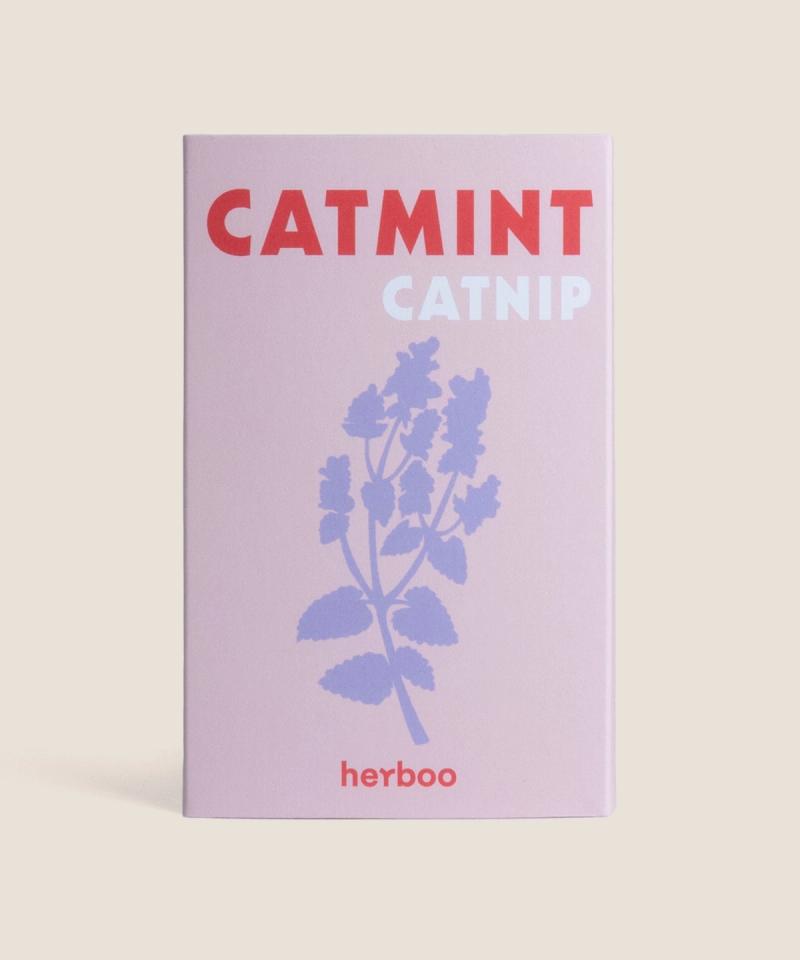
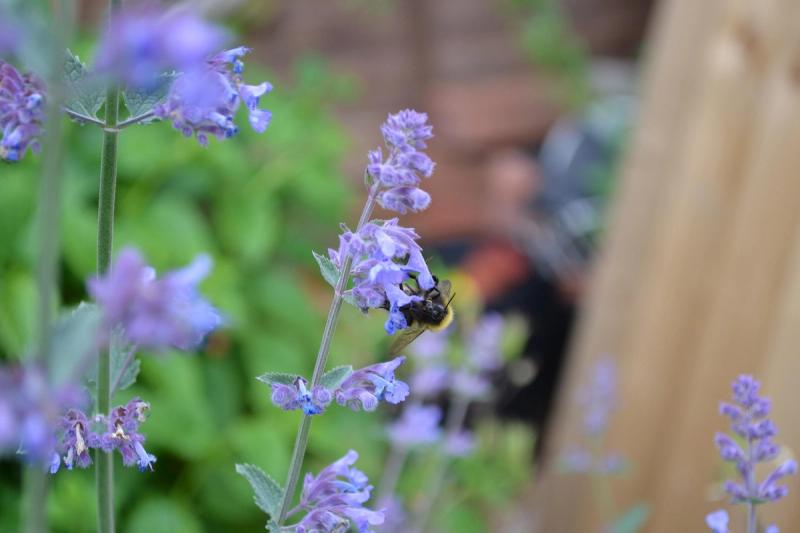
Nepeta Mussinii
Lilac catmint flowers sitting on soft grey-green mounds of foliage.
Catmint is an attractive perennial for garden beds and containers that will flower from early summer.
Approx 150 seeds
Delivered in 2–3 working days — letterbox delivery from £2.95, free over £25
 We offset delivery emissions
Want to send this as a gift? Add a gift note in your bag.
Catmint 'Nepeta Mussinii' is a hardy, aromatic perennial ideal for UK gardens. Sow seeds March to June, germinating in 7–14 days. It thrives in full sun with well-drained soil and benefits from regular watering. Leaves and flowers attract pollinators and can be harvested from early summer.
Ideal for borders, containers, and wildlife-friendly gardens, Nepeta Mussinii blooms from early summer, offering long-lasting colour and a gentle fragrance. Loved by pollinators and easy to grow, it’s a delightful addition to any garden.
Delivered within 2–3 working days. On its own, this packet ships letterbox delivery at £2.95. Fits through a standard letterbox, so no one needs to be home.
Delivery is priced on the size of your whole order, so adding more may move it into the next band:
Gifting. We can include a handwritten note — add your message in your bag.
More info in our FAQs, or get in touch if something hasn’t arrived.
Catmint 'Nepeta Mussinii' seeds are best sown outdoors in spring or early summer, ideally between March and June, where they can enjoy a sunny position. This perennial thrives in well-drained soil and looks after itself once established, making it suitable for window boxes, balconies, containers, or garden beds.

Scatter the catmint seeds onto firm, well-drained soil and lightly cover them. Keep the soil hydrated and ensure they are placed in a warm, sunny spot to encourage germination during the sowing months of March to June.

Once seedlings emerge, thin them to give each plant enough space to grow to their mature size, typically suited to a 45 cm pot or equivalent garden spacing. This thinning supports healthy growth and allows the fragrant, bee-friendly flowers to flourish from June through to October.

Water catmint plants regularly during dry spells, especially in their first season to establish strong roots. Deadheading spent flowers will encourage prolonged blooming, while cutting back after flowering helps maintain a tidy appearance and promotes bushier growth for the next season.
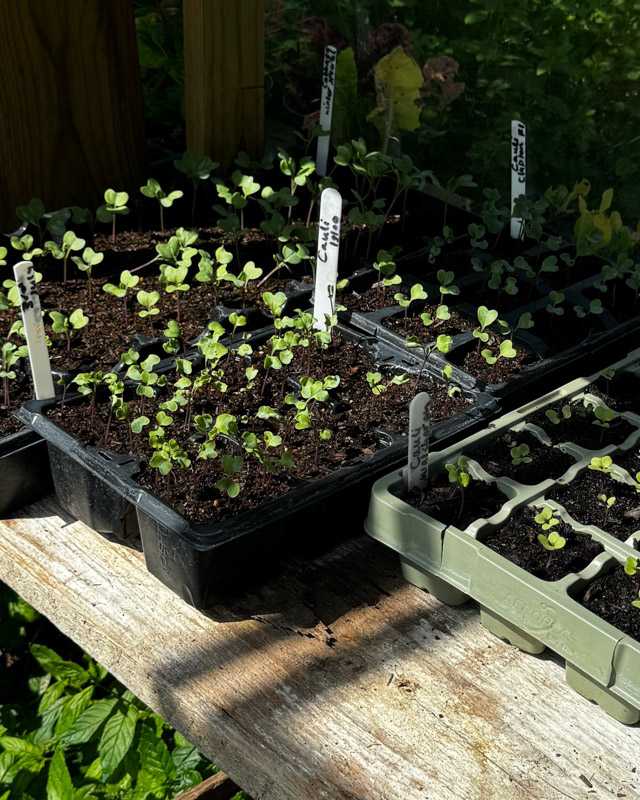
Hardy perennial, perfect for pots and borders, attracts pollinators, cat-friendly, low maintenance


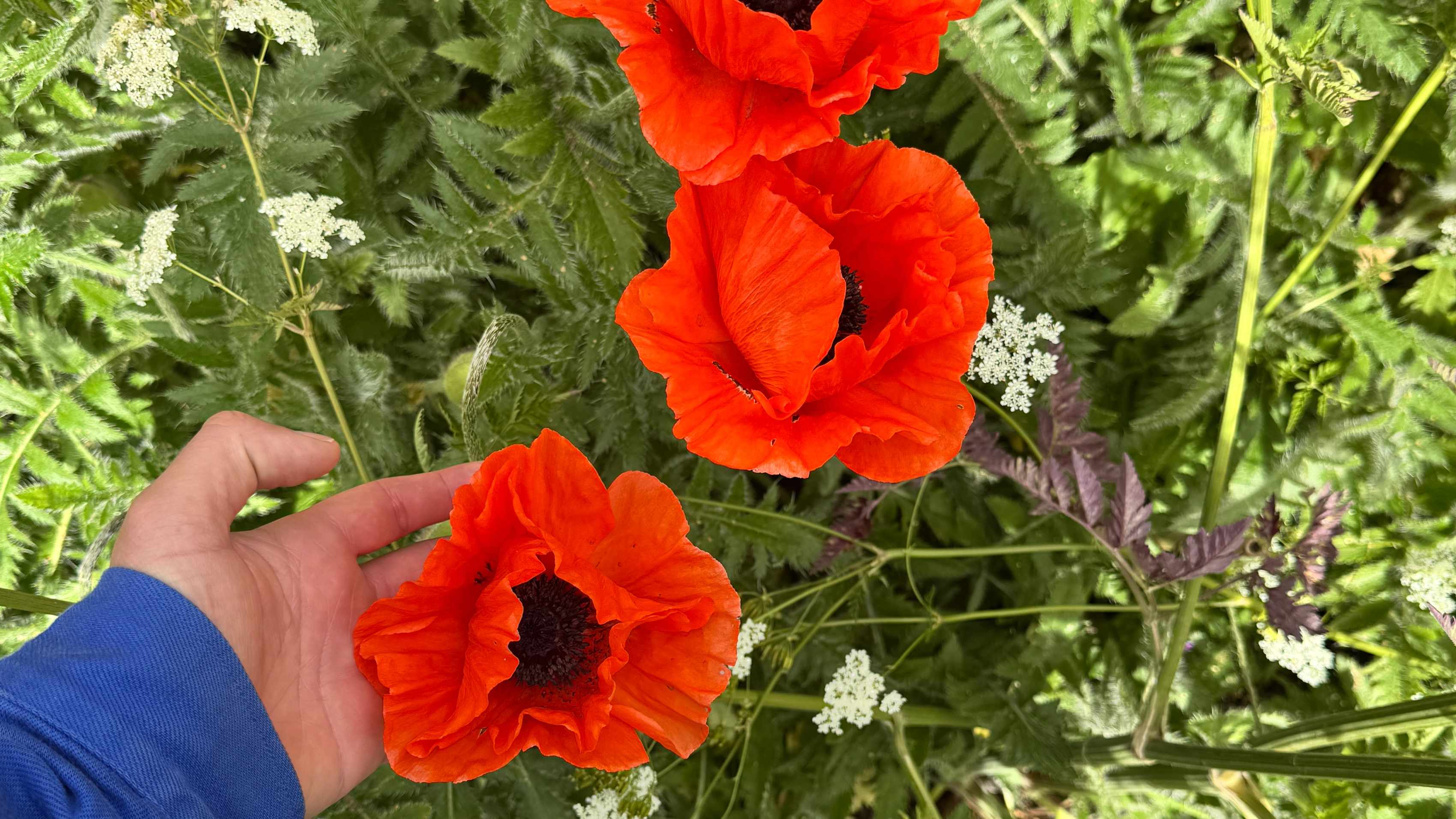
The name Nepeta originates from the ancient Etruscan city of Neptic, where this plant was historically cherished. Its scent binds to cats' olfactory receptors, creating a temporary euphoric effect. Catmint also supports garden biodiversity by attracting bees and other pollinators.
| Other Names | Garden catmint, Mirrinminttu + Faassen's Catmint. |
|---|---|
| Pet/Baby Safe | Non-toxic |
Yes, it can spread moderately via self-seeding.
Yes, Nepeta Mussinii is a hardy perennial. This is a perennial, so one sowing keeps going year after year rather than needing to be repeated each spring. Harvest: Leaves and flowers from early summer; cut flowers to encourage blooms. Flowering runs June to October.
Yes, many cats are attracted to its scent and enjoy it. Non-toxic. It is suited to borders, herb gardens and pollinator-friendly spaces.
Yes — this is a straightforward packet to give, and what makes it work as a gift is mostly timing. Sowing runs March to June, so a packet given inside that window can go straight in, and one given outside it keeps perfectly well until the season comes round.
There are approximately 150 seeds in the packet. On effort it looks after itself, which matters if you are giving it to someone new to growing. It suits borders, herb gardens and pollinator-friendly spaces, so it works for a small space as well as a garden.
No reviews yet for Catmint Seeds. If you have grown it, yours would be the first.
Recent reviews of other Herboo seeds. These are not ratings of Catmint Seeds.
thanks guys
thanks
Lovely packet of seeds, bought one for me and one as gift :)