21 Feb 2026
LOVED
Got sent them as a gift and loved the instructions on sowing - very helpful
Posey C.Verified buyer
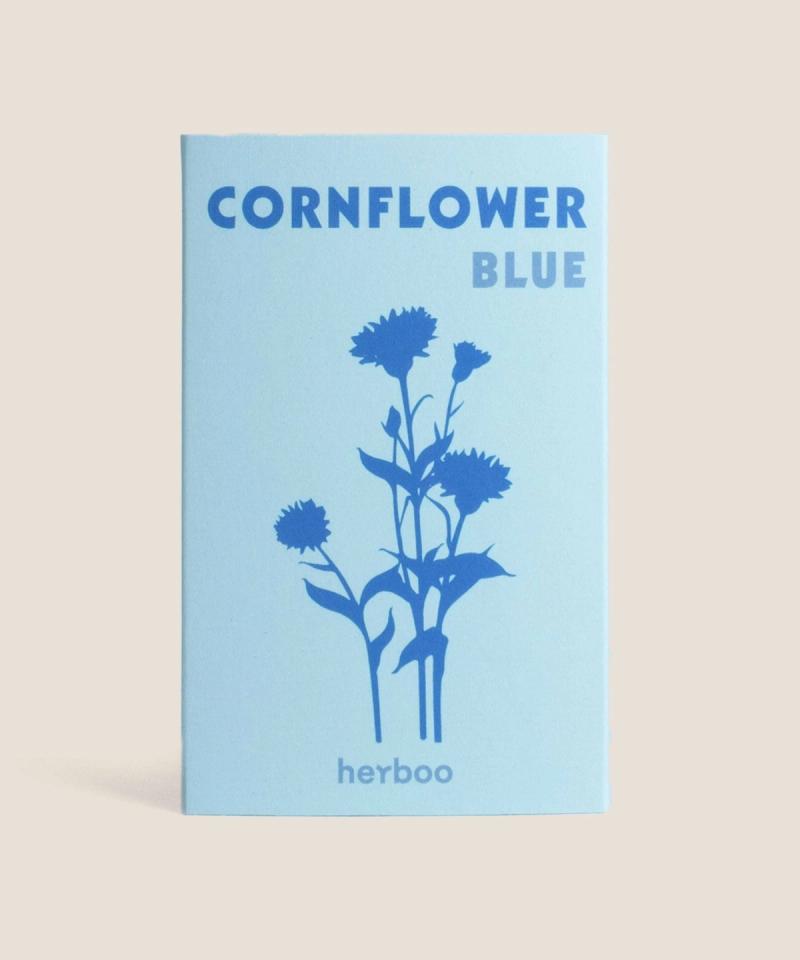
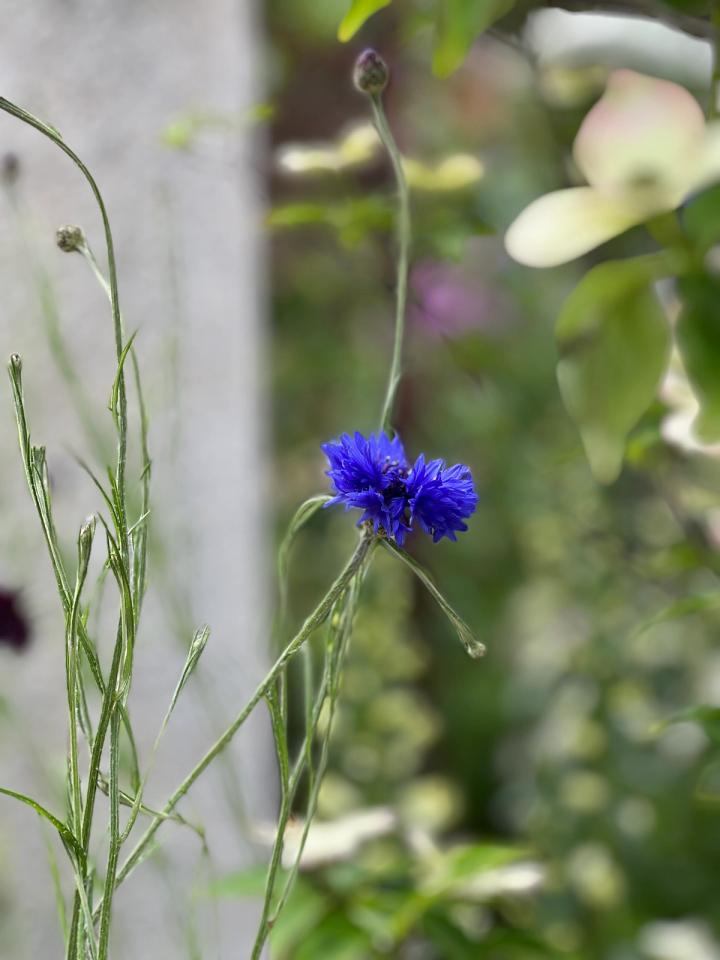
Centaurea cyanus
Blue cornflower seeds for sculptural flowers. Cornflower seeds have some famous fans. Cornflowers were said to be a favourite of Egyptian Tutankhamun. Other big fans of these bright blue wild cornflowers are bees, butterflies and us.
Approx 200 seeds
Delivered in 2–3 working days — letterbox delivery from £2.95, free over £25
 We offset delivery emissions
Want to send this as a gift? Add a gift note in your bag.
Cornflower seeds are easy to grow annuals prized for their vivid blue flowers, perfect for UK gardens. Sow from March to June, they attract pollinators and thrive in full sun with well-drained soil. Ideal for adding colour to beds and borders throughout summer.
Cornflower seeds have a rich history and are loved by gardeners and pollinators alike. These hardy annuals produce vibrant blue blooms that brighten borders and containers. They self-seed freely, making them a sustainable choice for your garden.
Delivered within 2–3 working days. On its own, this packet ships letterbox delivery at £2.95. Fits through a standard letterbox, so no one needs to be home.
Delivery is priced on the size of your whole order, so adding more may move it into the next band:
Gifting. We can include a handwritten note — add your message in your bag.
More info in our FAQs, or get in touch if something hasn’t arrived.
Cornflower seeds can be sown directly outdoors from March to June in a sunny spot with well-drained soil, although starting them indoors earlier allows for transplanting after the last frost. These annuals prefer lean, free-draining soils and flourish best in full light conditions.

Scatter the cornflower seeds lightly on the soil surface and press them in gently without covering deeply, keeping the soil well hydrated to encourage germination. Sow between March and June for blooms from May to September.

Once seedlings emerge, thin them to allow about 30 cm spacing to accommodate their 1 m height and 0.3 m spread, ensuring they have enough room to develop in containers or garden beds with at least a 20 cm pot size if grown in pots.

Water cornflowers moderately during dry spells but avoid overwatering as they thrive in lean soils. Regular deadheading will promote continuous flowering throughout the summer months, and leaving some flower heads to dry naturally encourages self-seeding for the following season.
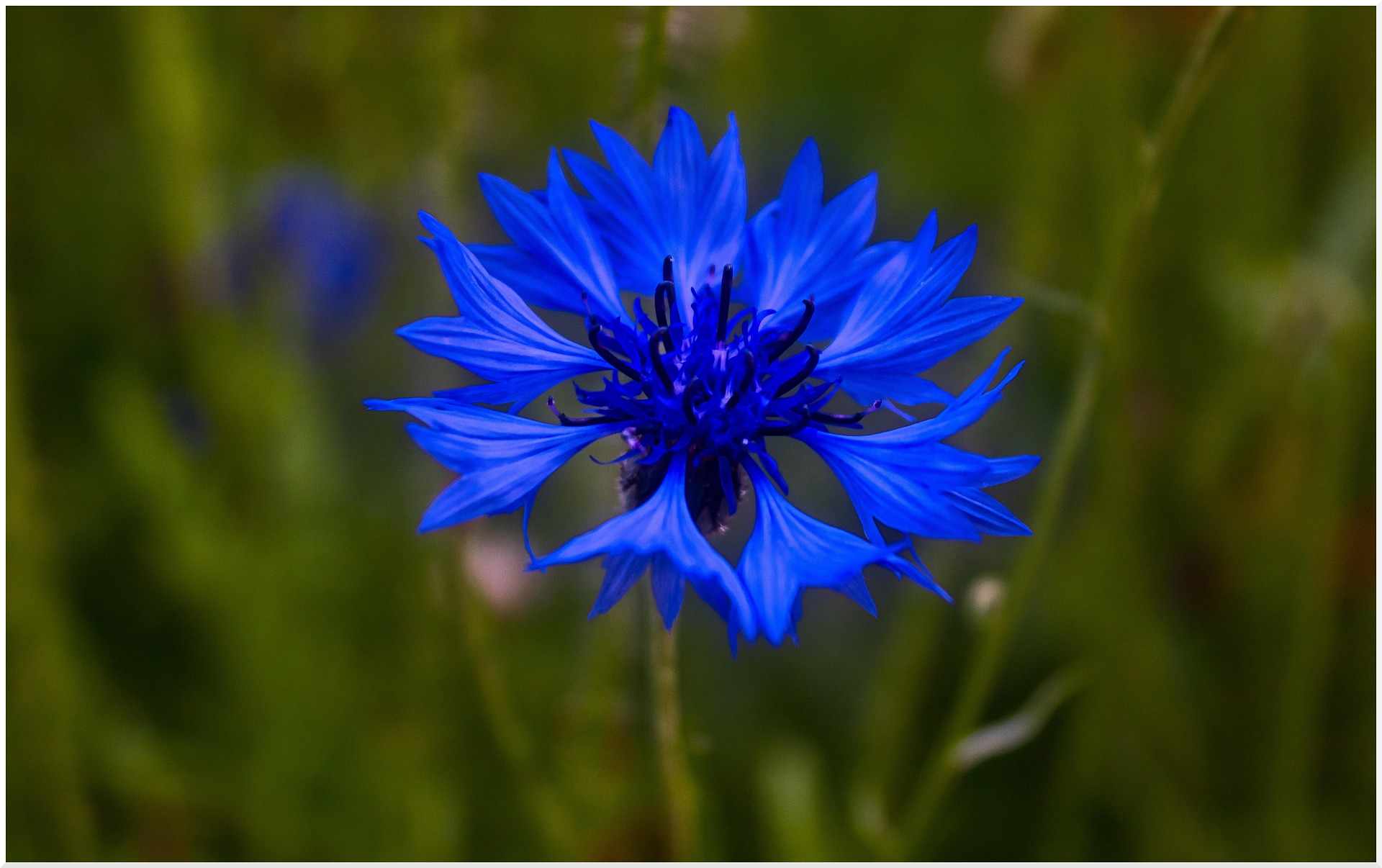
Hardy annual, pollinator-friendly, perfect for pots and borders, self-seeding.



Cornflowers were once a national symbol of Germany and have a fascinating history linked to Queen Louise of Prussia. Their bright blue flowers also attract bees and butterflies, supporting garden biodiversity.
| Other Names | bachelor's buttons, barbeau, blaver, blawort, blue blaw, blue bonnets, bluebottle, blue bow, blue poppy, blue sailors, blue tops, bluets, break-your-spectacles, brushes, bunk, corn binks, cornbottle, corn centaury, happy skies, haw dods, hurtsickle, ragged robin, ragged sailor and witches' bells |
|---|---|
| Pet/Baby Safe | Yes |
Sow from March to June. Seedlings usually appear in 7–14 days. Watering: moderate; keep soil moist but not waterlogged.
Yes, they often self-seed to return year after year.
Absolutely, they thrive in containers with good drainage. It is suited to beds, borders and pollinator-friendly gardens. It is an annual, completing its whole life in one season, so sow again the following year.
Yes — this is a straightforward packet to give, and what makes it work as a gift is mostly timing. Sowing runs March to June, so a packet given inside that window can go straight in, and one given outside it keeps perfectly well until the season comes round.
There are approximately 200 seeds in the packet, so there is plenty to share. On effort it looks after itself, which matters if you are giving it to someone new to growing. It suits beds, borders and pollinator-friendly gardens, so it works for a small space as well as a garden.
Showing reviews for Cornflower Seeds.
Got sent them as a gift and loved the instructions on sowing - very helpful
Recent reviews of other Herboo seeds. These are not ratings of Cornflower Seeds.
thanks guys
thanks
Lovely packet of seeds, bought one for me and one as gift :)