Foxglove 'Dalmation' Seeds
Digitalis purpurea 'Dalmatian Purple'
Foxglove ‘Dalmation White’ marries together dark green foliage forming a basal rosette with striking, upright spires of white flowers adorned with purple-speckled throats, borne in early summer. This foxglove variety flowers especially well, even in its first year which is unusual for a biennial, filling your shaded areas with delightful blooms from branching stems from all directions to the sky.
Approx 10 seeds
- Pollinator-Friendly
- Cut Flowers
- Most Light Conditions
- Pot Fans
Foxglove 'Dalmation' Seeds – Quick Growing Guide
Foxglove 'Dalmation' white seeds produce striking biennial flowers with distinctive purple speckles. Sow from March to September, either directly outdoors or in pots. These foxgloves thrive in partial shade with well-drained soil, ideal for adding height and colour to cottage gardens or cut flower arrangements.
How to Sow, Grow and Harvest Foxglove 'Dalmation' Seeds
- Sow:March–September, direct or in pots
- Germination:7–14 days
- Grow:Partial shade, well-drained soil, space 30cm apart
- Water:Keep soil moist but not waterlogged
- Harvest:Cut flowers in the second year when spikes are fully formed
- Best for:Beds, borders, cut flower gardens
Foxglove ‘Dalmatian White’ features dark green basal rosettes and tall spires of white bell flowers marked with purple speckles. This variety blooms early, often in its first year, brightening shaded areas with graceful branching stems and attracting pollinators.
Delivered within 2-5 working days via our standard delivery
Standard Delivery
For standard delivery, we’ll work with our delivery partners to ensure you receive your delivery within 2-5 working days.
Express Delivery
You can also send this item the next day, just place the order before 11 am and we'll get it sent out the same day to arrive the following day.
Gifting
Want to send this as a gift? We can include a handwritten note, just add what you'd like to write at checkout.
If you’re worried about your delivery or have any other questions please get in touch via our contact page and one of our team will come back to you as soon as we can.
For more information on our shipping services, have a look at our FAQs.
Grow in Your Garden
Calendar
How to Grow
Foxglove 'Dalmatian Purple' seeds can be started indoors or sown directly outside from April to July, preferring partial shade and moist, well-drained soil for optimal growth. This biennial plant thrives in containers, garden beds, balconies, or terraces, making it versatile for various garden settings.

Sowing
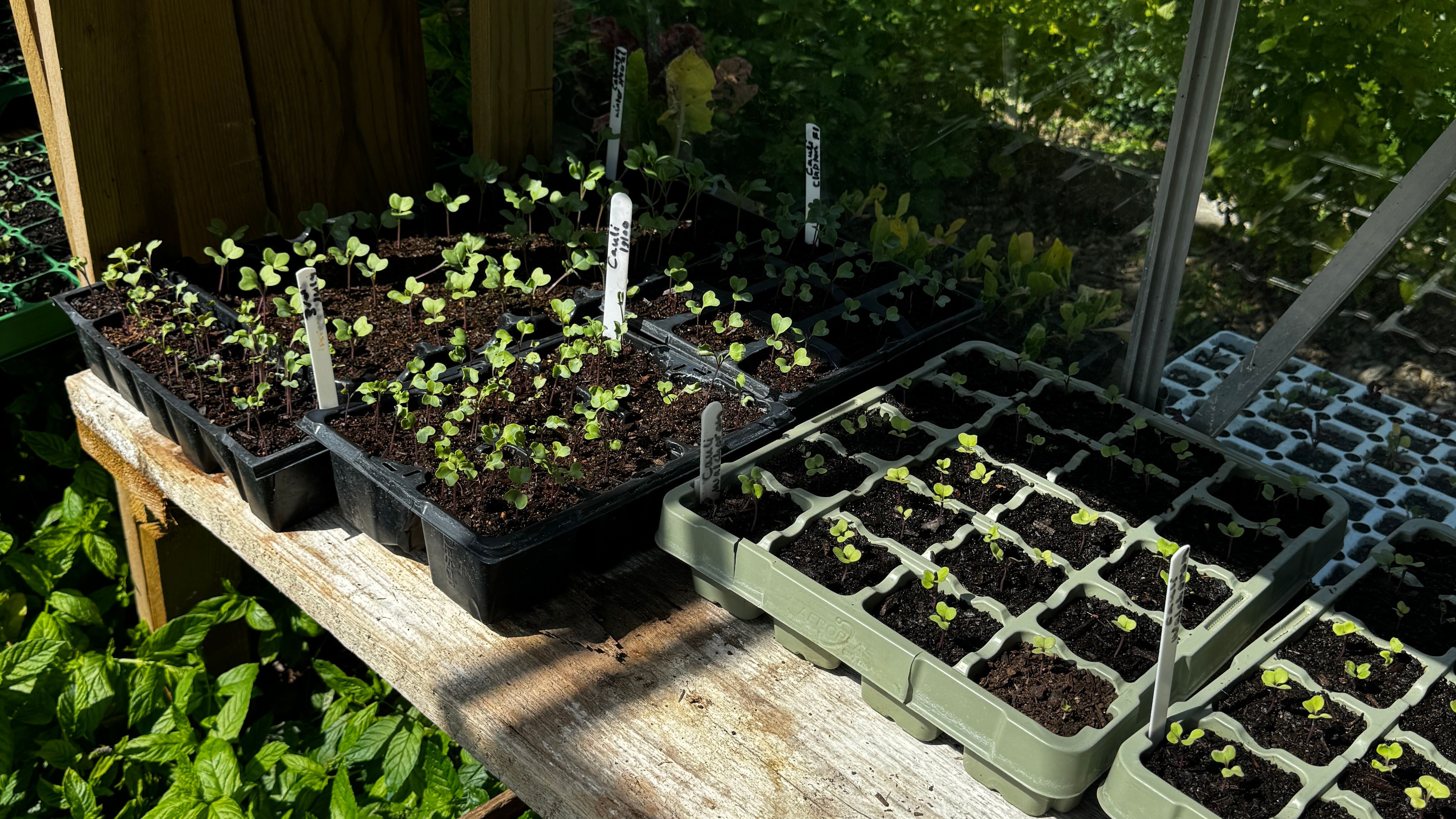
Sow the seeds about 3mm deep in a small tray filled with compost during the sowing months of April to July, then cover with a clear container and keep in a warm place such as a windowsill to encourage germination.

Growing
Once seedlings appear, thin them out or pot on to avoid overcrowding, ensuring they have enough space to grow to their mature size, which suits a 40 cm pot or similar growing area. Harden off plants before moving them outdoors to withstand cooler temperatures during their growing months from May to October.

Plant care
Maintain consistently moist soil without waterlogging, especially during dry spells, to support healthy growth. Deadhead spent flowers regularly to encourage prolonged blooming and remove any weak stems to keep the plants tidy and vigorous throughout the growing season.
About Foxglove 'Dalmation'
Foxglove ‘Dalmatian White’ is an elegant early-flowering biennial, producing tall spires of soft white, bell-shaped blooms with delicately speckled throats. Well suited to pots, borders, and cottage-style gardens, it flowers reliably in its first year from seed and provides an important early nectar source for bees and other pollinators. A striking vertical accent that brings height, structure, and gentle movement to spring and early summer planting schemes.
- Pollinator-Friendly

- Cut Flowers

- Most Light Conditions

- Pot Fans

Eventual height & spread

History of Foxglove 'Dalmation'
Native to Europe, North Africa, and Central Asia, Foxglove is known for its glove-shaped flower spikes. Traditionally linked to folklore as ‘fairies' gloves’, it thrives in cooler, shaded garden areas and supports pollinators.
| Other Names | Goblin gloves, witches' gloves and dead men's bells |
|---|---|
| Pet/Baby Safe | Known to be toxic |
FAQs
Sow indoors in late winter or outdoors in spring.
Usually flowers in the first or second year.
Well-drained, moist soil in partial shade.