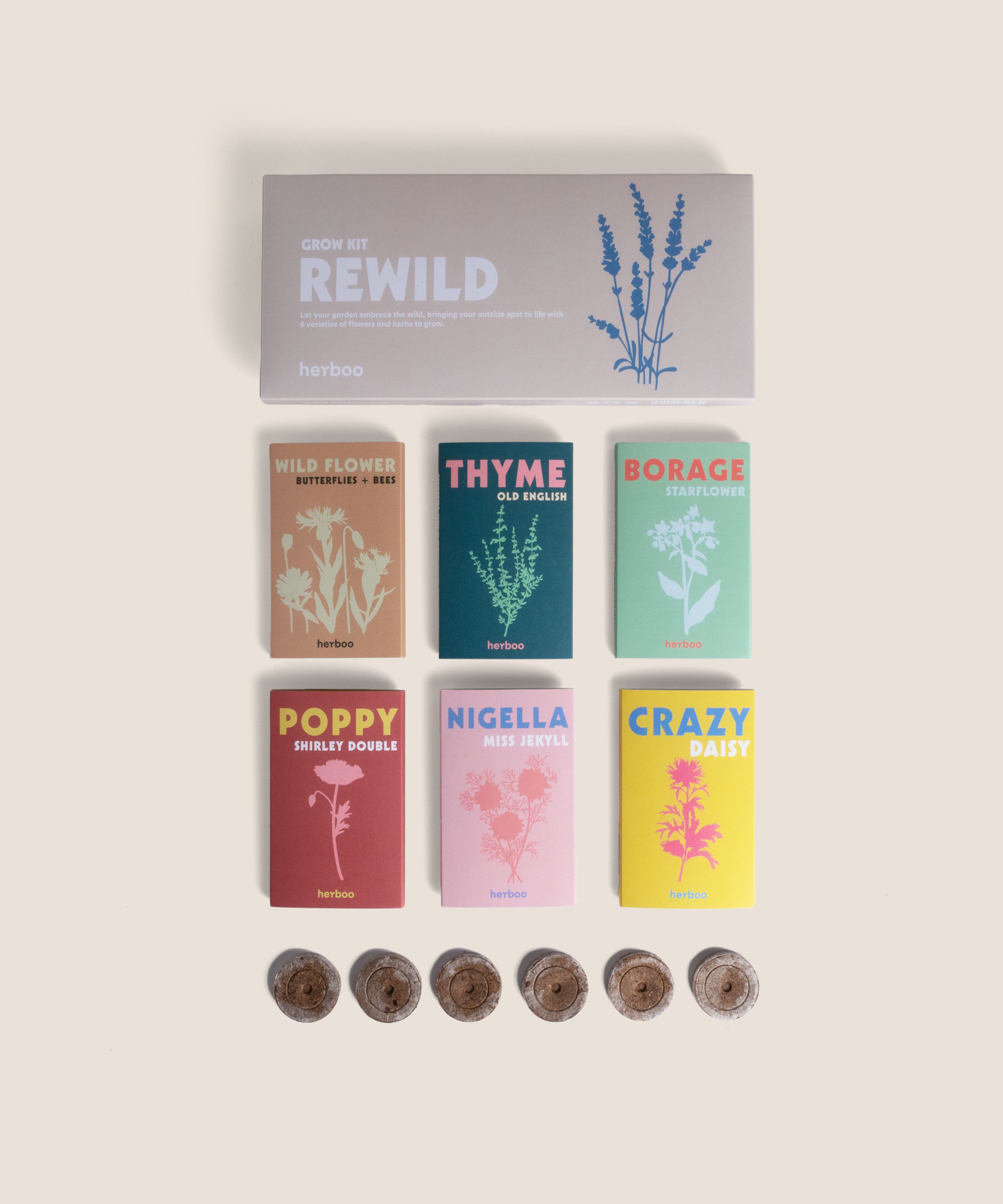
Reviewing
Rewild Garden Seed Box2 Sept 2026
Quick delivery
thanks guys
Tom Waites
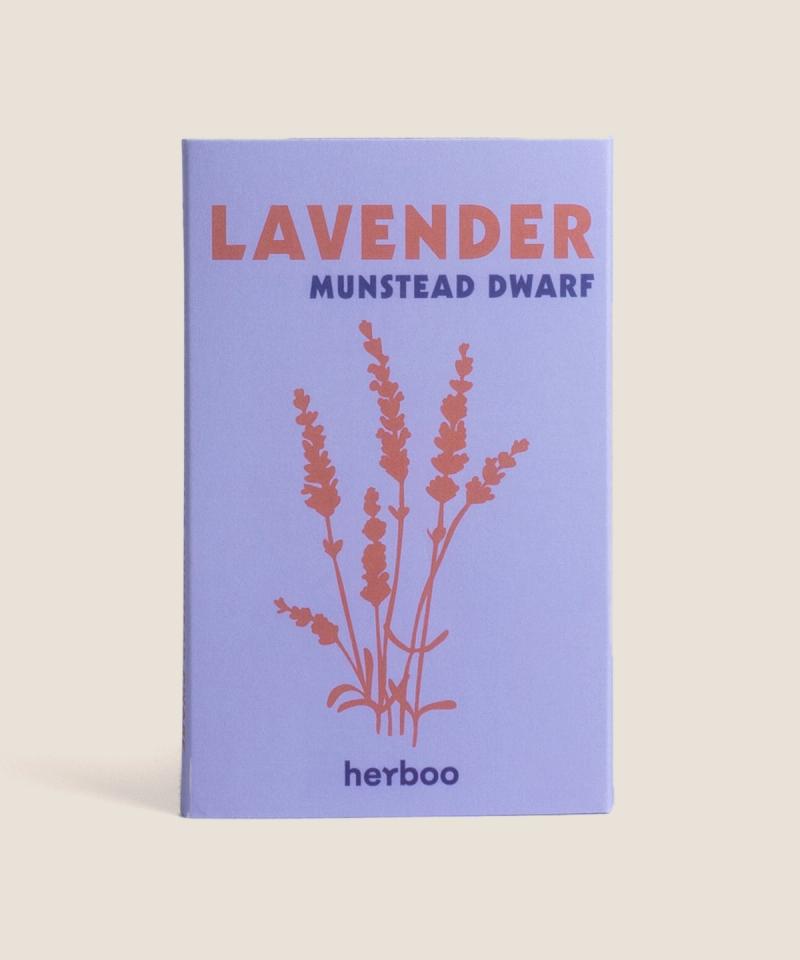
Lavandula Angustifolia 'Munstead Dwarf'
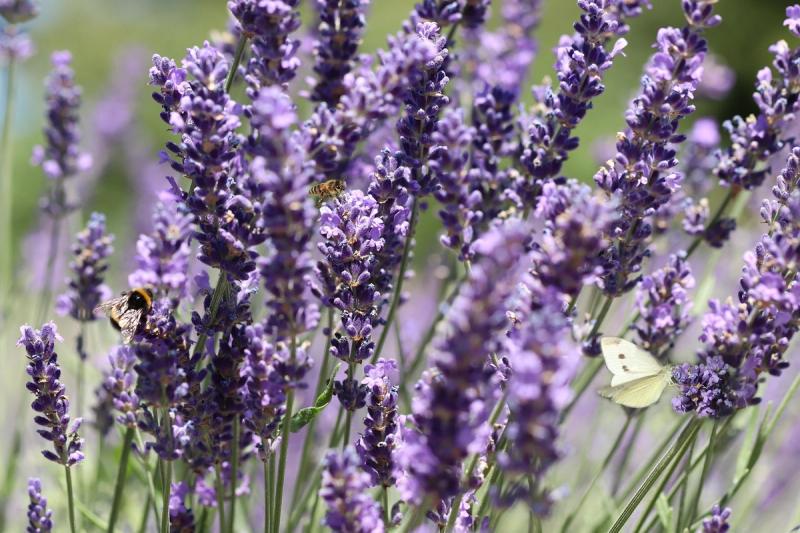
Sweet lavender dreams are made of these seeds. Not only is lavender a sure way to bring all the bees and butterflies to your garden, but you can also cut these flowers to make teas, linen spray and all sorts. Its scent is calming for the nerves and we owe many a good sleep to this one.
Approx 100 seeds
Delivered in 2–3 working days — letterbox delivery from £2.95, free over £25
 We offset delivery emissions
Want to send this as a gift? Add a gift note in your bag.
Lavender 'Munstead Dwarf' seeds produce compact, fragrant plants ideal for small gardens or containers. Sow from February to May or September to October, with germination in 14–28 days. Prefers full sun and well-drained soil. Water moderately and harvest flowers when fully open for best fragrance and use.
Lavender 'Munstead Dwarf' offers a delightful fragrance and a compact habit ideal for smaller gardens or containers. This variety attracts bees and butterflies, bringing life and colour to your outdoor space. Harvest the flowers for teas, sachets, or calming linen sprays.
Delivered within 2–3 working days. On its own, this packet ships letterbox delivery at £2.95. Fits through a standard letterbox, so no one needs to be home.
Delivery is priced on the size of your whole order, so adding more may move it into the next band:
Gifting. We can include a handwritten note — add your message in your bag.
More info in our FAQs, or get in touch if something hasn’t arrived.
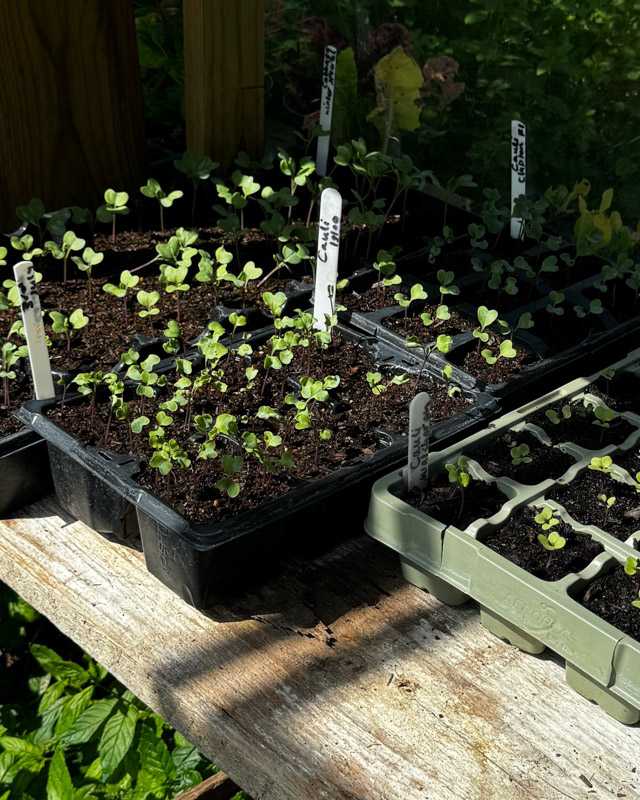
Start Lavender 'Munstead Dwarf' seeds indoors from February to May or September to October in a warm, bright spot using fine seed compost. This compact perennial thrives in sunny, free-draining conditions, making it excellent for containers, balconies, and garden beds.

Sow the seeds thinly on the surface of moist, well-drained seed compost and lightly cover with compost or vermiculite. Keep the seeds warm and bright to encourage germination, which can be slow and uneven.

Once seedlings are large enough, pot them on individually into 20 cm pots and grow them on in full sun. Harden off the plants before planting outdoors after the last frost, spacing them to allow airflow and accommodate their 0.5 m height and 1 m spread.

Water sparingly once established, allowing the soil to dry out between watering, as Lavender 'Munstead Dwarf' prefers poorer soils. Lightly trim after flowering during the growing months of June to October to maintain a compact shape, avoiding cutting into old woody growth.
Lavender ‘Munstead Dwarf’ is a classic English lavender prized for its compact size, intense fragrance, and reliability. Smaller than Hidcote, it forms neat, rounded plants covered in aromatic purple flowers that attract bees and butterflies. Ideal for pots, edging, and low hedges, it’s a timeless choice for structured gardens and small spaces.


Named after Munstead Woods in West Surrey, associated with Gertrude Jekyll, this lavender variety is cherished for its scent and garden versatility.
| Other Names | Dwarf English Lavender and Hedge Lavender |
|---|---|
| Pet/Baby Safe | Toxic to cats and dogs |
It's best to start indoors or in a greenhouse before transplanting after frost risk.
Expect flowering within the first year if grown from seed under ideal conditions.
Yes, it is a hardy perennial suitable for UK gardens. This is a perennial, so one sowing keeps going year after year rather than needing to be repeated each spring. Harvest: Cut flowers when fully open for best scent. Flowering runs June to October.
Yes — this is a straightforward packet to give, and what makes it work as a gift is mostly timing. Sowing runs February to May, and September to October, so a packet given inside that window can go straight in, and one given outside it keeps perfectly well until the season comes round.
There are approximately 100 seeds in the packet. On effort it looks after itself, which matters if you are giving it to someone new to growing. It suits pots, beds and windowsills, so it works for a small space as well as a garden.
No reviews yet for Lavender 'Munstead Dwarf' Seeds. If you have grown it, yours would be the first.
Recent reviews of other Herboo seeds. These are not ratings of Lavender 'Munstead Dwarf' Seeds.
thanks guys
thanks
Lovely packet of seeds, bought one for me and one as gift :)