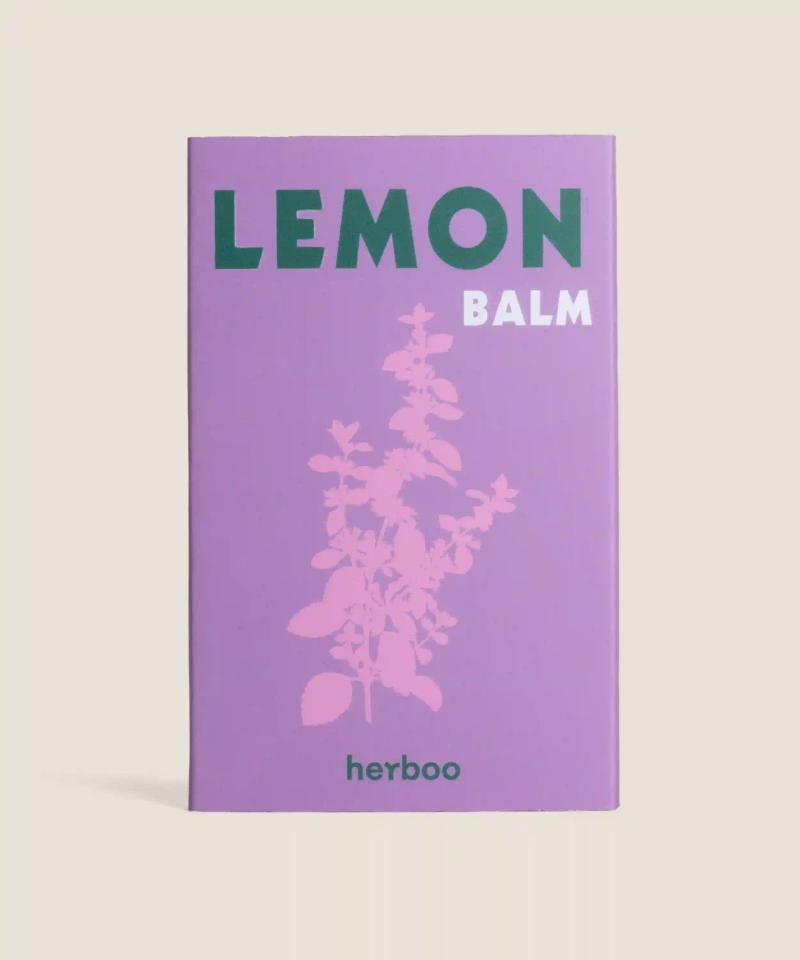
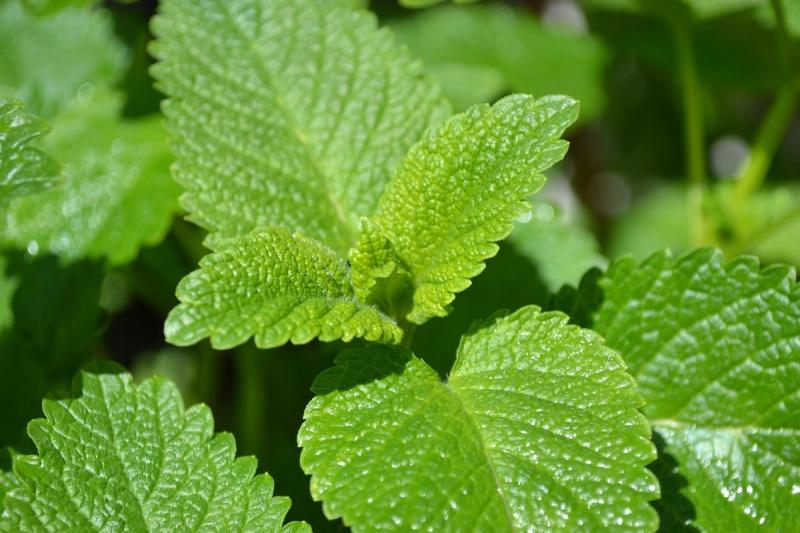
Lemon Balm Seeds
Melissa officinalis
Refreshing, healthy herbs. This easy-to-grow herb produces fragrant and nourishing plants that provide multiple uses. The leaves can be dried and used in teas, and the essential oils extracted from the plant can be used in natural remedies and skin care products. Plus, the refreshing lemon scent of the plant is sure to uplift your mood and enhance your home.
Approx 500 seeds
- Pot Fans
- Grow Your Own
- Likes Sun
- Not Fussy
Lemon Balm Seeds – Quick Growing Guide
Lemon balm seeds are easy to grow and thrive in well-drained soil with partial to full sun. Sow seeds from March to September, either directly outdoors or in pots. This fragrant herb is perfect for garden herbs enthusiasts looking to add fresh lemon-scented leaves to their collection.
How to Sow, Grow and Harvest Lemon Balm Seeds
- Sow:March–September, direct or in pots
- Germination:7–14 days
- Grow:In well-drained soil with partial to full sun exposure
- Water:Keep soil moist but not waterlogged
- Harvest:Cut leaves regularly from summer to autumn to encourage growth
- Best for:Pots, beds, windowsills
This easy-to-grow herb produces aromatic leaves ideal for teas, natural remedies, and skincare. Lemon Balm attracts bees and adds a refreshing scent to your garden and home.
Delivered within 2-5 working days via our standard delivery
Standard Delivery
For standard delivery, we’ll work with our delivery partners to ensure you receive your delivery within 2-5 working days.
Express Delivery
You can also send this item the next day, just place the order before 11 am and we'll get it sent out the same day to arrive the following day.
Gifting
Want to send this as a gift? We can include a handwritten note, just add what you'd like to write at checkout.
If you’re worried about your delivery or have any other questions please get in touch via our contact page and one of our team will come back to you as soon as we can.
For more information on our shipping services, have a look at our FAQs.