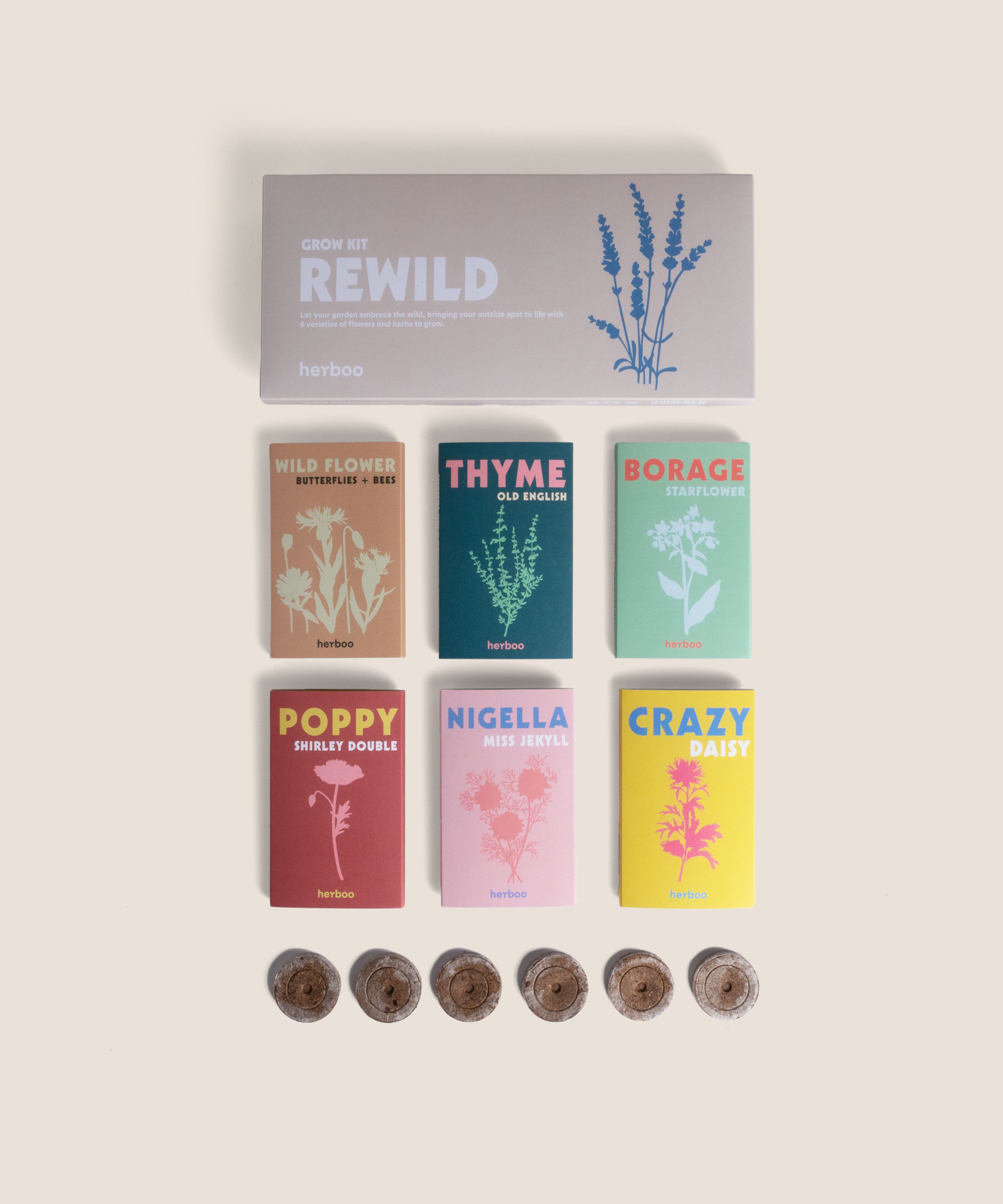
Reviewing
Rewild Garden Seed Box2 Sept 2026
Quick delivery
thanks guys
Tom Waites
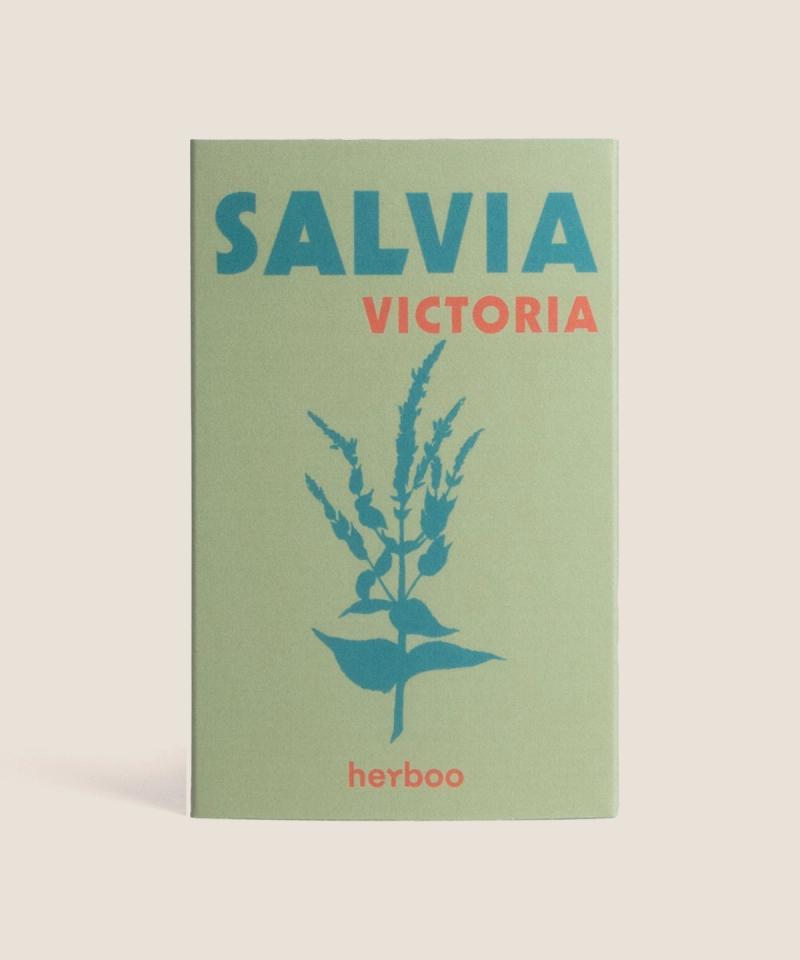
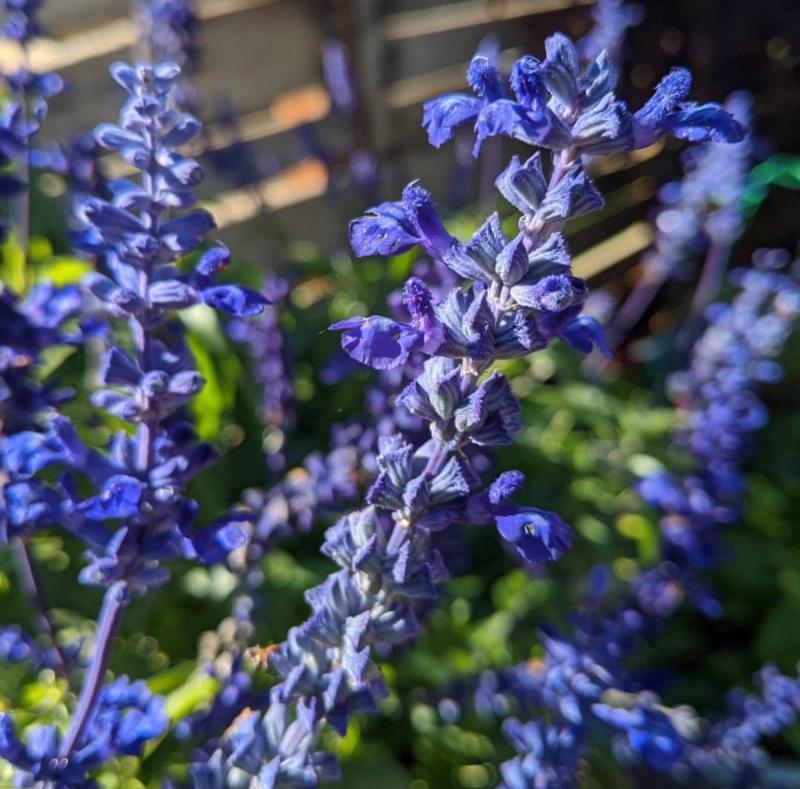
Salvia farinacea ‘Victoria’
Salvia farinacea ‘Victoria Blue’ produces striking deep blue-violet flower spikes on elegant stems reaching around 60cm tall. Slow to establish but well worth the wait, this variety rewards patience with long-lasting colour, gentle fragrance, and a strong presence in borders, pollinator gardens, and cut-flower displays.
Approx 80 seeds
Only 4 left
Only 4 left
Delivered in 2–3 working days — letterbox delivery from £2.95, free over £25
 We offset delivery emissions
Want to send this as a gift? Add a gift note in your bag.
Salvia farinacea ‘Victoria Blue’ seeds are best started indoors between February and April, providing warmth to encourage steady germination. Once the risk of frost has passed, they can be sown outdoors in a sunny spot with free-draining soil to support their growth.
We love Salvia farinacea ‘Victoria Blue’ for its rich blue flower spikes, gentle scent, and refined upright habit. Reaching around 60cm tall, it brings structure and long-lasting colour to borders and cutting gardens while attracting bees and other pollinators. A rewarding plant that adds depth, movement, and elegance to sunny spaces.
Delivered within 2–3 working days. On its own, this packet ships letterbox delivery at £2.95. Fits through a standard letterbox, so no one needs to be home.
Delivery is priced on the size of your whole order, so adding more may move it into the next band:
Gifting. We can include a handwritten note — add your message in your bag.
More info in our FAQs, or get in touch if something hasn’t arrived.
Salvia farinacea ‘Victoria Blue’ seeds are best started indoors between February and April, providing warmth to encourage steady germination. Once the risk of frost has passed, they can be sown outdoors in a sunny spot with free-draining soil to support their growth.

Sow the seeds lightly covered in moist seed compost within pots or trays, keeping them in a warm, bright place. Maintaining consistent dampness in the compost helps seedlings emerge successfully.

Once seedlings appear, space them to allow airflow and upright growth, considering their mature height of 0.45m and spread of 0.3m, suitable for 35cm pots or garden beds. In exposed areas, providing light support helps maintain the strong stems of this perennial.

During the growing season from June to October, water regularly until established and during dry spells to keep the plants healthy. Deadhead spent flowers to prolong blooming and feed lightly over summer, cutting back at the end of the season to prepare for the next growth cycle.
Pollinator-friendly and easy to grow, Salvia farinacea ‘Victoria Blue’ thrives in sunny garden beds with free-draining soil. Its upright stems and rich blue flower spikes make it ideal for cut flowers, while bees and butterflies are drawn to its long-lasting summer blooms.



The name Salvia comes from the Latin 'salveo', meaning 'to heal', reflecting the traditional uses of some species. Native to Mexico and the USA, 'Victoria Blue' is prized for its rich colour and fragrance.
| Other Names | Mealy Cup Sage, Flowering Sage and Blue Sage |
|---|---|
| Pet/Baby Safe | Pet + Baby Safe |
Many Salvias, including Salvia Farinacea, are perennial in warmer climates but often grown as annuals in the UK.
Plant in full sun with well-drained soil; deadhead spent flowers to encourage continuous blooming. Watering: moderate; keep soil moist but not waterlogged. Grow it in full sun, well-drained soil, space 30cm apart.
Yes, Salvias are excellent for attracting bees and butterflies. Harvest: Cut flowers when blooms open for longest vase life. Flowering runs June to October.
Yes — this is a straightforward packet to give, and what makes it work as a gift is mostly timing. Sowing runs February to April, so a packet given inside that window can go straight in, and one given outside it keeps perfectly well until the season comes round.
There are approximately 80 seeds in the packet. On effort it looks after itself, which matters if you are giving it to someone new to growing. It suits pots, beds and cut flower gardens, so it works for a small space as well as a garden.
No reviews yet for Salvia Farinacea 'Victoria Blue' Seeds. If you have grown it, yours would be the first.
Recent reviews of other Herboo seeds. These are not ratings of Salvia Farinacea 'Victoria Blue' Seeds.
thanks guys
thanks
Lovely packet of seeds, bought one for me and one as gift :)