Reviewing
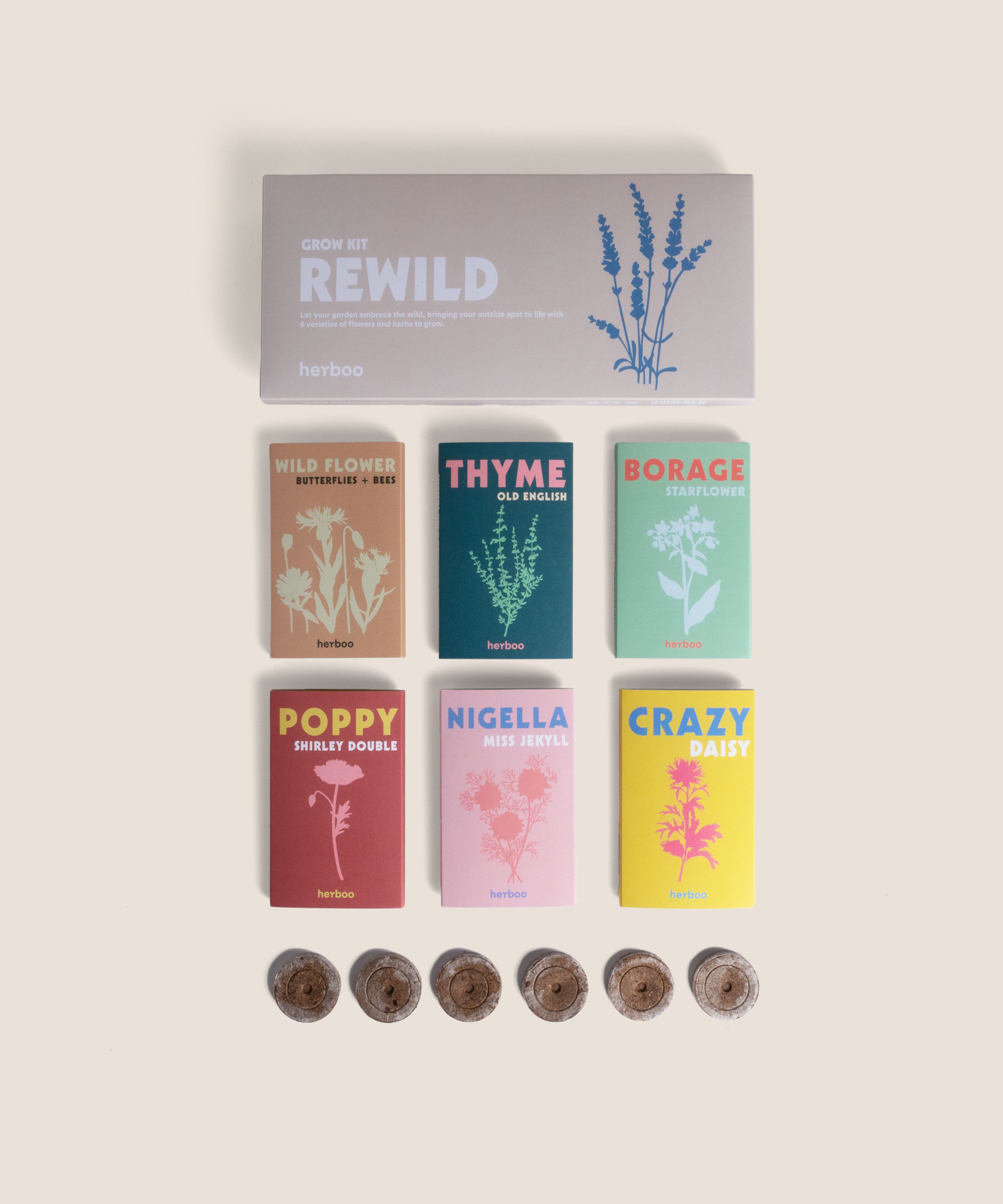
Rewild Garden Seed Box2 Sept 2026
Quick delivery
thanks guys
Tom Waites
Agrimony, Hemp (Eupatorium cannabinum), Bird's Foot Trefoil (Lotus corniculatus), Borage (Borago officinalis), Clover, Red (Trifolium pratense), Clover, White (Trifolium repens), Cornflower (Centaurea cyanus), Dwarf Sunflower (Helianthus gracilentus), Foxglove (Digitalis purpurea), Goatsbeard (Aruncus dioicus), Knapweed, Common (Centaurea nigra), Knapweed, Greater (Centaurea scabiosa), Marjoram (Origanum vulgare), Meadow Cranesbil (Geranium pratense), Musk Mallow (Malva moschata), Oxeye Daisy (Leucanthemum vulgare), Poppy, Field (Papaver rhoes), Purple Loosetrife (Lythrum salicaria), Ragged Robin (Lychnis flos-cuculi), Sainfoin (Onobrychis viccifolia), Scabious, Field (Knautia arvensis), Scabious, Small (Scabiosa columbaria), Teasel (Dipsacus fullonum), Vetch, Kidney (Anthyllis vulneraria), Viper's Bugloss (Echium vulgare), Wild Clary (Salvia verbenaca), Yarrow (Achillea millefolium)
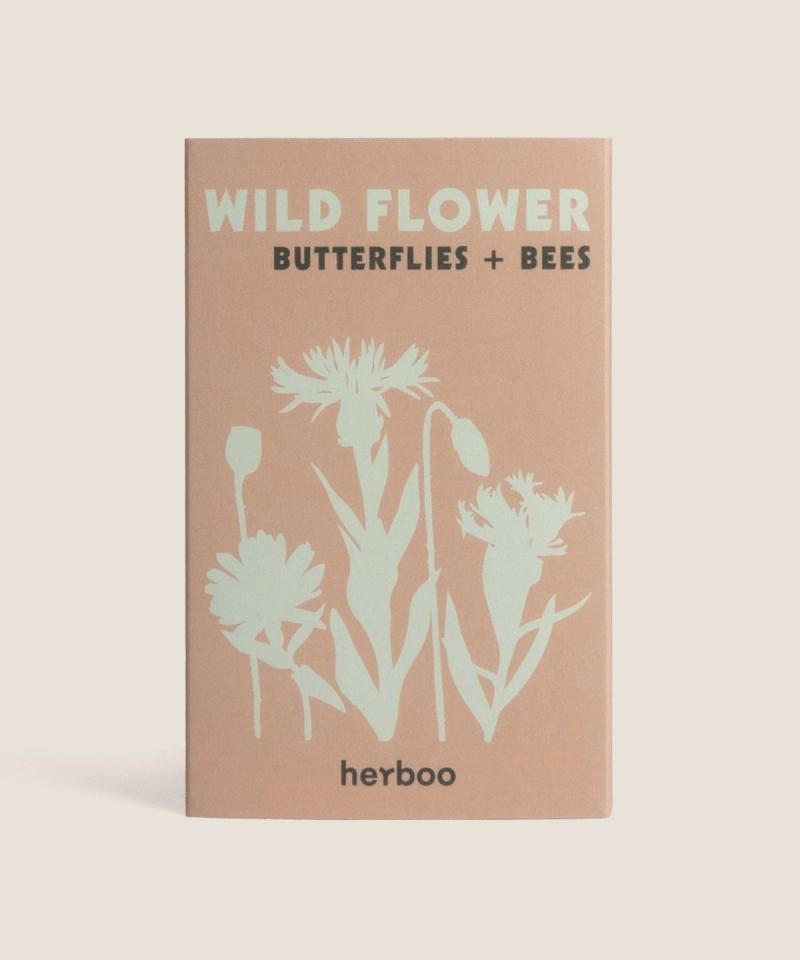
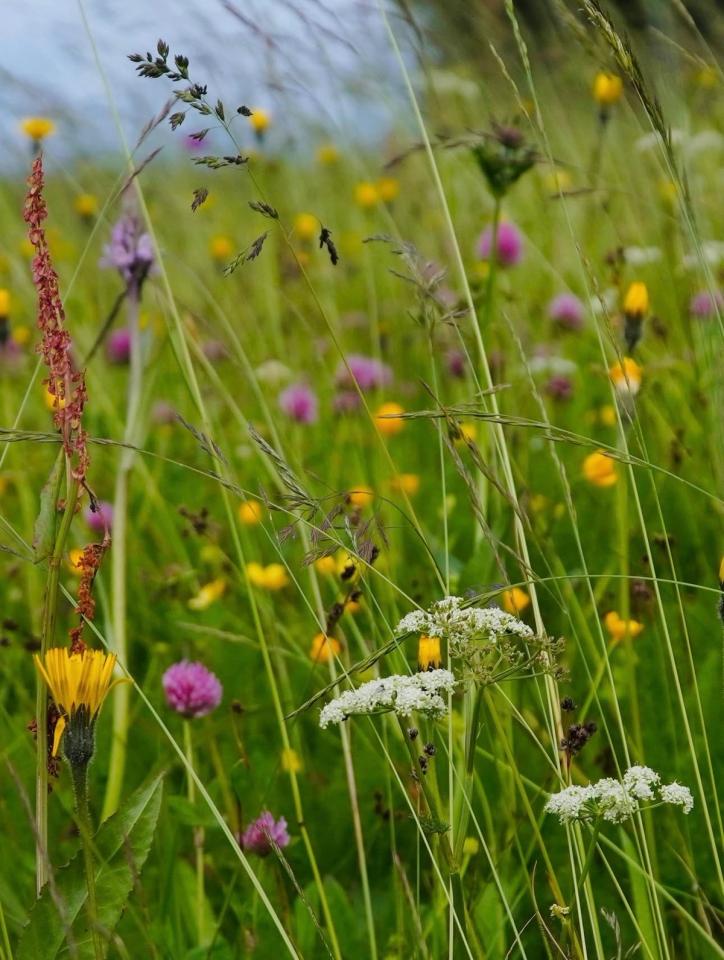
Wildflower meadow seeds for a prairie-inspired garden. Transform a patch of lawn, border or empty bed into a natural wildflower meadow with our UK native wildflower seed mix. Specially selected for the UK climate, this blend of annual and perennial wildflower seeds blooms into a colourful, nectar-rich meadow for bees, butterflies and other pollinators. It’s an easy way to create a wilder, more biodiverse garden that feels like a small prairie or wild meadow right outside your door.
Approx 2 gm seeds
Delivered in 2–3 working days — letterbox delivery from £2.95, free over £25
 We offset delivery emissions
Want to send this as a gift? Add a gift note in your bag.
Wildflower Seeds are best sown outdoors in a sunny spot with prepared soil during spring or autumn, specifically from March to June or August to October. They prefer open terraces, containers, or garden beds where they can establish naturally with minimal intervention.
Our wildflower seed mix is carefully selected to thrive in UK gardens, creating a vibrant, nectar-rich meadow full of native flowers. Ideal for attracting bees, butterflies and other pollinators, this wildflower meadow seed mix brings a relaxed, natural look to borders, beds or a dedicated meadow patch. Whether you’re sowing a small wildflower garden or a larger area, it’s an easy, eco-friendly way to add colour and support biodiversity.
Delivered within 2–3 working days. On its own, this packet ships letterbox delivery at £2.95. Fits through a standard letterbox, so no one needs to be home.
Delivery is priced on the size of your whole order, so adding more may move it into the next band:
Gifting. We can include a handwritten note — add your message in your bag.
More info in our FAQs, or get in touch if something hasn’t arrived.
Wildflower Seeds are best sown outdoors in a sunny spot with prepared soil during spring or autumn, specifically from March to June or August to October. They prefer open terraces, containers, or garden beds where they can establish naturally with minimal intervention.

Scatter the seeds evenly over bare, weed-free soil and lightly rake or tread them in to ensure good seed-to-soil contact, which promotes successful germination. Choose a sunny, fairly open location to encourage a vibrant wildflower meadow display.

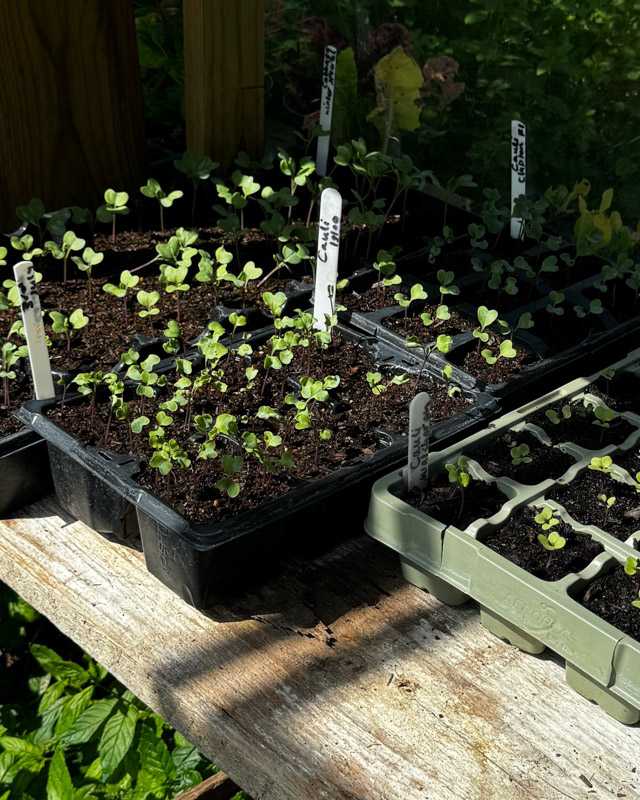
Once seedlings appear, thin gently if necessary to avoid overcrowding and allow plants to spread comfortably within a 30 cm pot size or garden bed. This spacing supports a healthy growth habit for the diverse mix of native UK wildflowers included.

Keep the soil moist until seedlings are well established but reduce watering as the plants mature, since wildflowers are generally low-maintenance. After flowering from May through October, allow seed heads to set before cutting the meadow back and removing cuttings to maintain low soil fertility, encouraging wildflowers to thrive over grass and promoting natural reseeding for the following year.
Designed for sunny spots, this UK native wildflower seed mix creates a pollinator-friendly meadow full of colour, movement and life. A blend of annual and perennial wildflower species brings changing interest through the season, turning borders, beds or even part of a lawn into a mini wildflower garden for bees, butterflies and other wildlife.


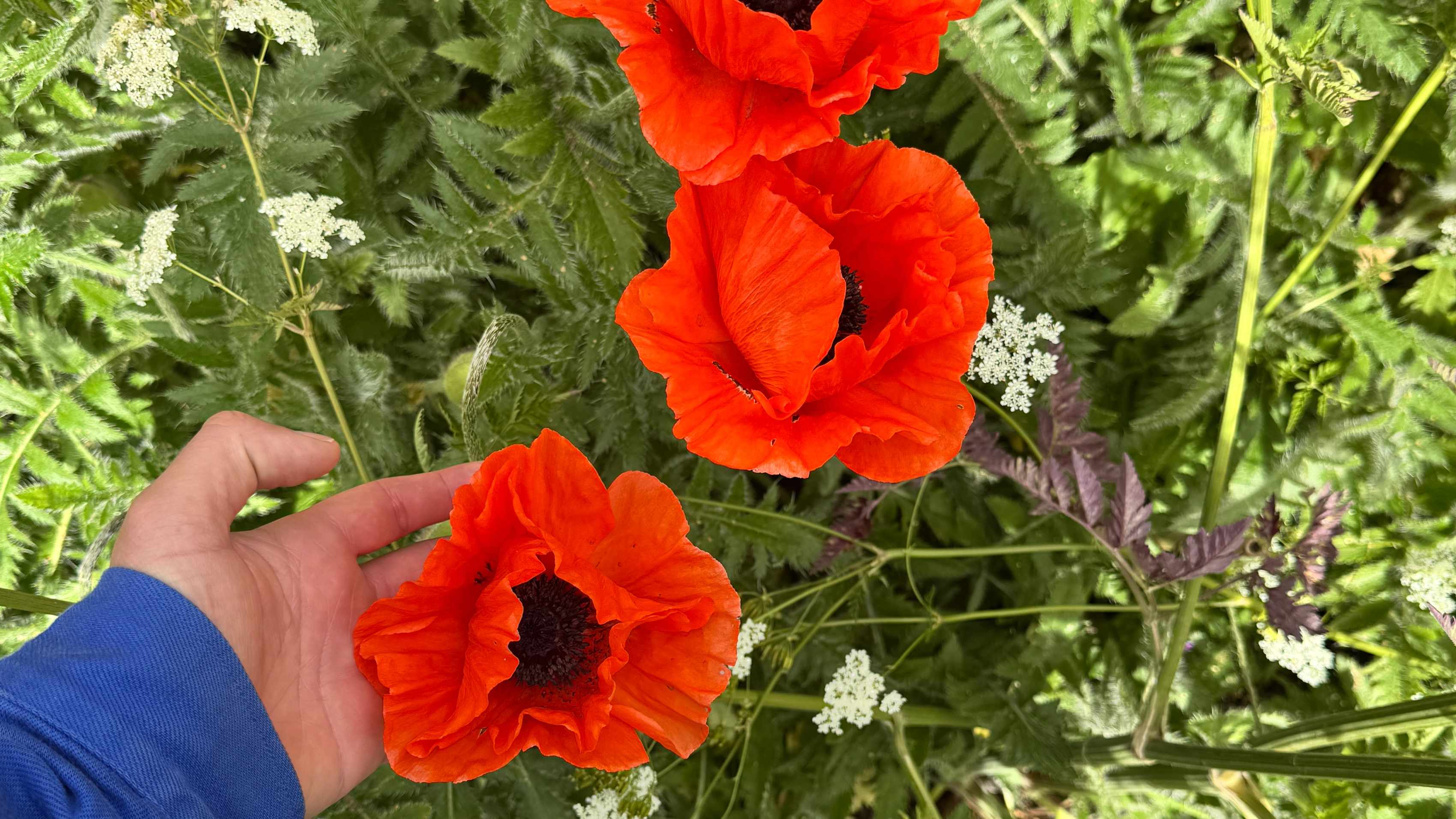
UK wildflower meadows have declined by nearly 97% since the 1930s, impacting local wildlife. Our seed mix helps restore these vital habitats, supporting insects and mammals while capturing carbon from pollution.
| Pet/Baby Safe | Some varieties are toxic to pets/babies. |
|---|
Yes, but you’ll get better results if you prepare the area first. Either remove the turf completely and sow onto bare soil, or mow very short and scarify to expose soil so the wildflower seeds can make good contact and germinate.
If stored cool and dry, most wildflower seeds will stay viable for around 2–3 years. Germination is usually best in the first year, so try to sow them as fresh as possible for a fuller meadow.
Many wildflower species in this mix are perennials or short-lived perennials, so once established they can return year after year. Others are annuals that reseed themselves, helping the meadow to renew naturally over time. This is a perennial, so one sowing keeps going year after year rather than needing to be repeated each spring. Harvest: Allow flowers to set seed in autumn for natural reseeding. Flowering runs May to October.
Sow from March to June, and August to October. Germination: Varies by variety, typically 5–21 days. Watering: keep moist until established, then moderate watering.
Wildflower meadows look their best in full sun, but many of the species in this mix will also grow in light or dappled shade. The flowers are rich in pollen and nectar, making them ideal wildflower seeds for bees, butterflies and other pollinators. It is filed here under both nectar flowers and wild flowers, so it earns its place in a planting meant to feed pollinators.
Yes — this is a straightforward packet to give, and what makes it work as a gift is mostly timing. Sowing runs March to June, and August to October, so a packet given inside that window can go straight in, and one given outside it keeps perfectly well until the season comes round.
There are approximately 2 seeds in the packet. On effort it needs some love, which matters if you are giving it to someone new to growing. It suits wildflower meadows, borders and pollinator gardens, so it works for a small space as well as a garden.
No reviews yet for Wildflower Seeds. If you have grown it, yours would be the first.
Recent reviews of other Herboo seeds. These are not ratings of Wildflower Seeds.
thanks guys
thanks
Lovely packet of seeds, bought one for me and one as gift :)