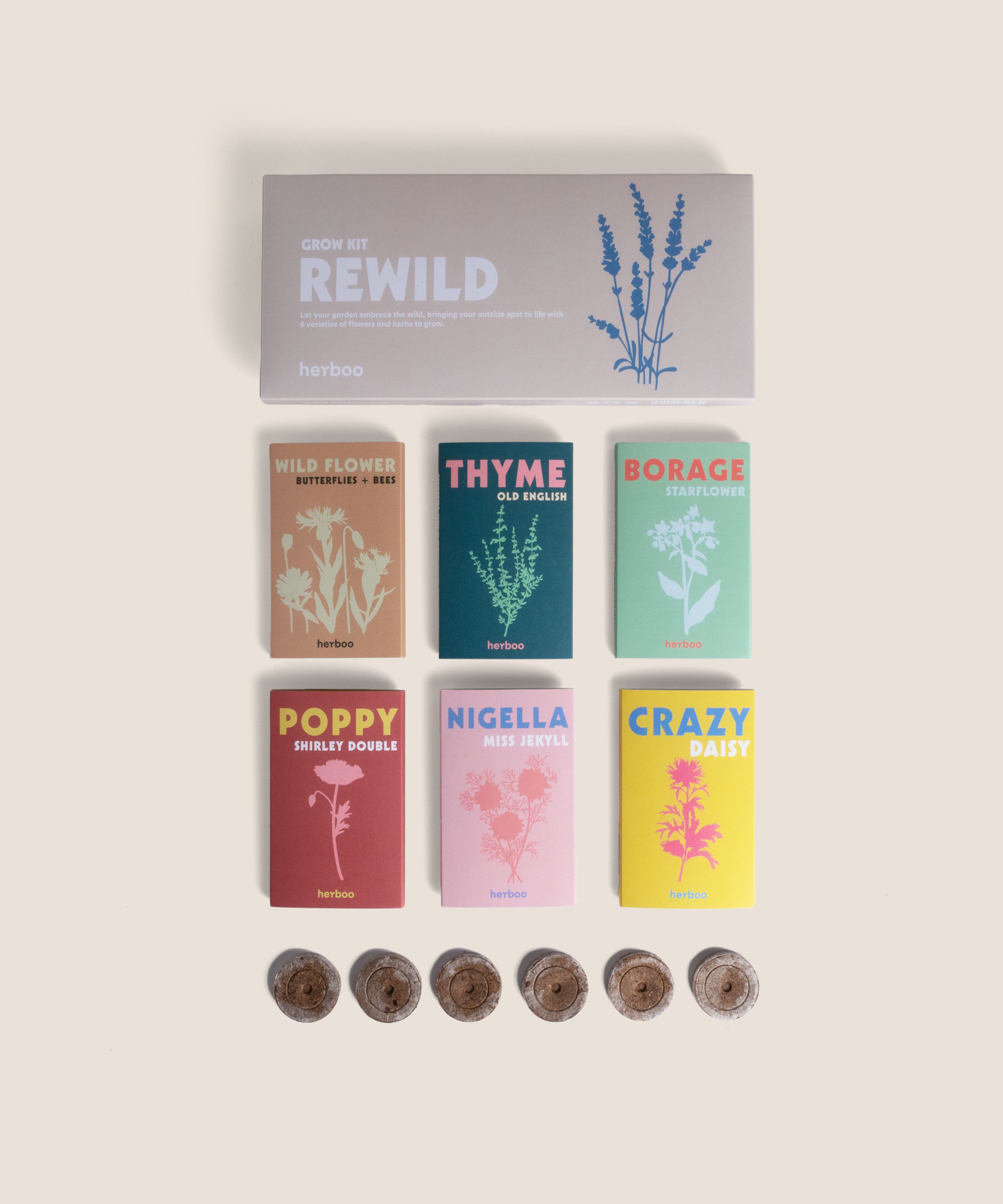
Reviewing
Rewild Garden Seed Box2 Sept 2026
Quick delivery
thanks guys
Tom Waites
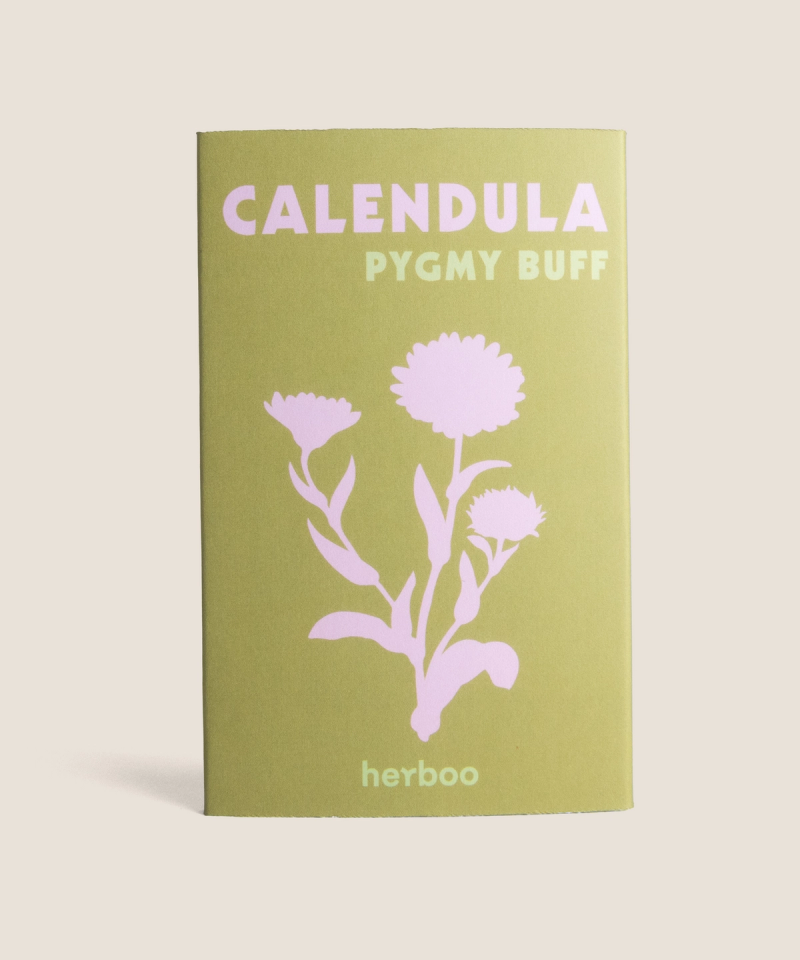
Calendula officinalis
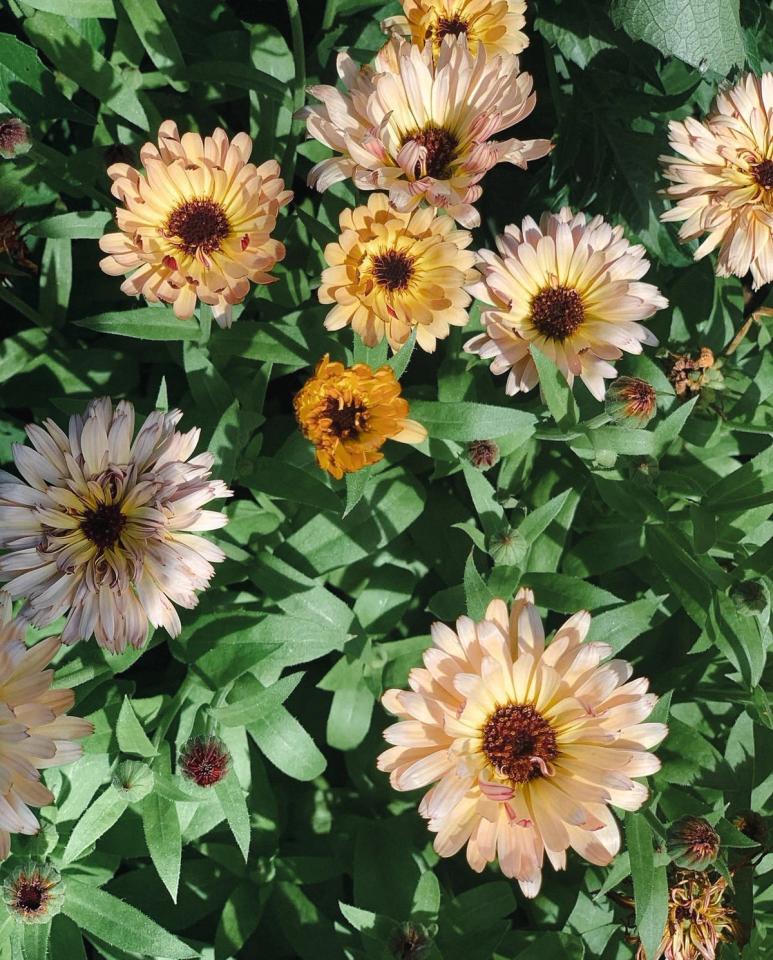
Compact, Stunning Apricoty-Buff Petaled Calendula. Calendula ‘Pygmy Buff’ is a compact marvel featuring large apricoty-buff petals complemented by alluring darker coppery undersides. This distinctive marigold variety, one of our absolute favourites, emerges as a more dwarf plant, making it an ideal addition for potting or planting in extensive clusters.
Approx 50 seeds
Delivered in 2–3 working days — letterbox delivery from £2.95, free over £25
 We offset delivery emissions
Want to send this as a gift? Add a gift note in your bag.
Calendula 'Pygmy Buff' seeds produce compact, buff-coloured pot marigold flowers perfect for UK gardens. These edible flowers attract pollinators and thrive in full sun. Sow from March to September for blooms from early summer to autumn, ideal for pots, beds, and windowsills.
This dwarf variety of Calendula officinalis offers large, vibrant blooms that brighten any garden space. Its smaller size makes it ideal for containers or grouped plantings, adding a warm splash of colour and attracting pollinators. A classic edible flower, it’s both beautiful and versatile.
Delivered within 2–3 working days. On its own, this packet ships letterbox delivery at £2.95. Fits through a standard letterbox, so no one needs to be home.
Delivery is priced on the size of your whole order, so adding more may move it into the next band:
Gifting. We can include a handwritten note — add your message in your bag.
More info in our FAQs, or get in touch if something hasn’t arrived.
Start sowing Calendula 'Pygmy Buff' seeds outdoors from March to October in a sunny spot, as this variety thrives in full sun and well-drained soil. Its compact growth habit makes it ideal for window boxes, balconies, and containers where it can flourish with minimal care.

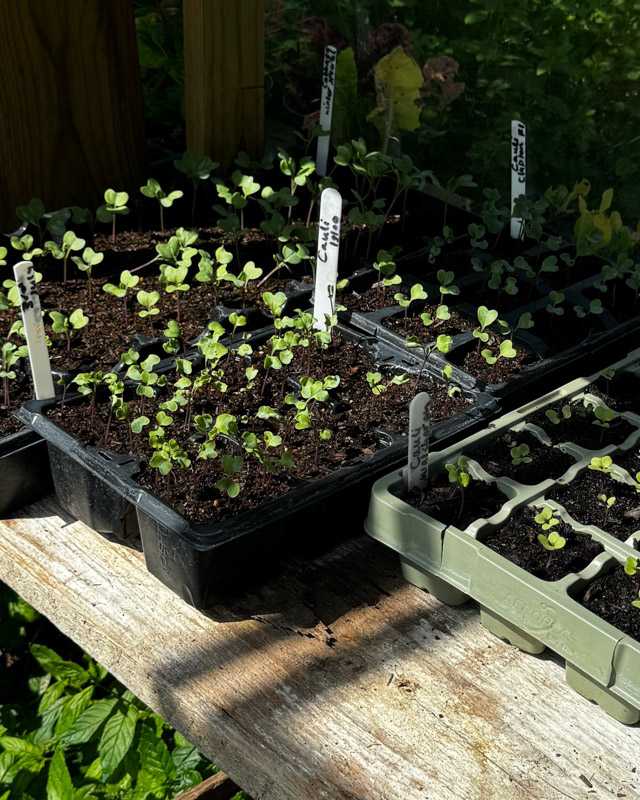
Sow the seeds on firm, damp soil and cover them lightly to ensure good soil contact. Keep the soil consistently moist to support germination during the sowing months of March through October.

Thin seedlings once established to allow enough space for their compact form, typically suited to a 25 cm pot size or garden bed. This helps maintain healthy growth and vibrant flowering during the growing months of June to August.

Water regularly to keep the soil moist but avoid waterlogging, especially during dry spells in summer. Deadhead spent flowers to encourage continuous blooming of the edible, colourful petals, and enjoy their pollinator-friendly benefits throughout the season.
Calendula ‘Pygmy Buff’ is a compact, free-flowering annual with soft buff-orange blooms that bring gentle colour to pots, borders and small garden spaces. Easy to grow and quick to bloom, it’s ideal for cut flowers and attracts bees and other pollinators throughout the season. Well suited to containers and edging, this fuss-free calendula flowers reliably from early summer into autumn, even in cooler UK conditions.



Calendula officinalis, commonly known as Pot Marigold, is one of the oldest cultivated flowers, dating back to at least the 3rd Century BC. Its name derives from the Latin 'Calendae', meaning the first day of the month, reflecting its long-standing presence in gardens.
| Other Names | Common marigold, Golds, Goldes, Goldings, Goldins, Jack-on-horseback, Marybuds, Mary's gold, Pot marigold, Rod's gold ruddes, ruddles, Scotch marigold + souvenir yellow goldes |
|---|---|
| Pet/Baby Safe | Non-toxic |
Yes, the petals are edible and often used in salads and as a garnish.
Sow seeds directly outdoors in spring or start indoors 4-6 weeks before the last frost. Sow the seeds on firm, damp soil and cover them lightly to ensure good soil contact. Keep the soil consistently moist to support germination during the sowing months of March through October.
Seedlings usually appear in 7–14 days. Sow from March to October.
Yes, it is excellent for bees and other beneficial insects. It is filed here as a nectar flower, which is the catalogue's way of saying it is worth growing for bees and other pollinators. Harvest: Pick flowers from June to October. Flowering runs June to August.
Yes — this is a straightforward packet to give, and what makes it work as a gift is mostly timing. Sowing runs March to October, so a packet given inside that window can go straight in, and one given outside it keeps perfectly well until the season comes round.
There are approximately 50 seeds in the packet. On effort it looks after itself, which matters if you are giving it to someone new to growing. It suits pots, beds and windowsills, so it works for a small space as well as a garden.
No reviews yet for Calendula 'Pygmy Buff' Seeds. If you have grown it, yours would be the first.
Recent reviews of other Herboo seeds. These are not ratings of Calendula 'Pygmy Buff' Seeds.
thanks guys
thanks
Lovely packet of seeds, bought one for me and one as gift :)