Reviewing
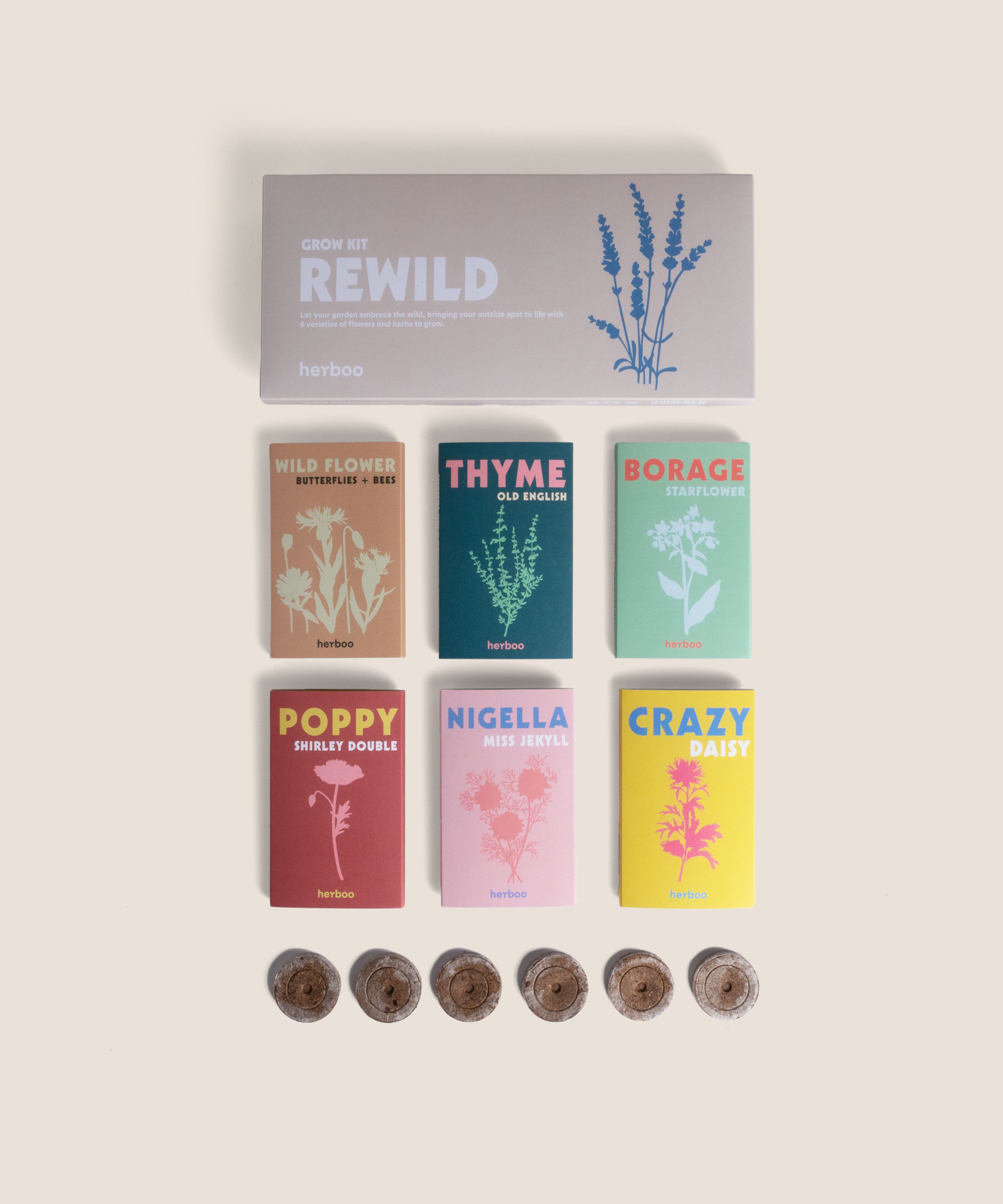
Rewild Garden Seed Box2 Sept 2026
Quick delivery
thanks guys
Tom Waites
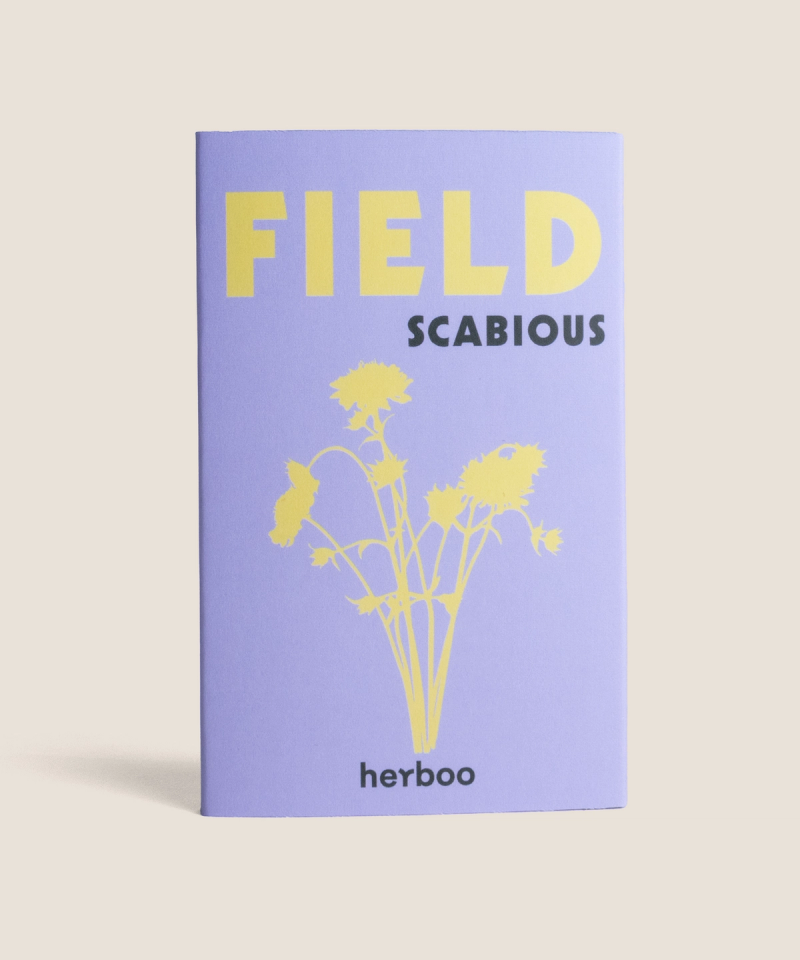
Knautia arvensis
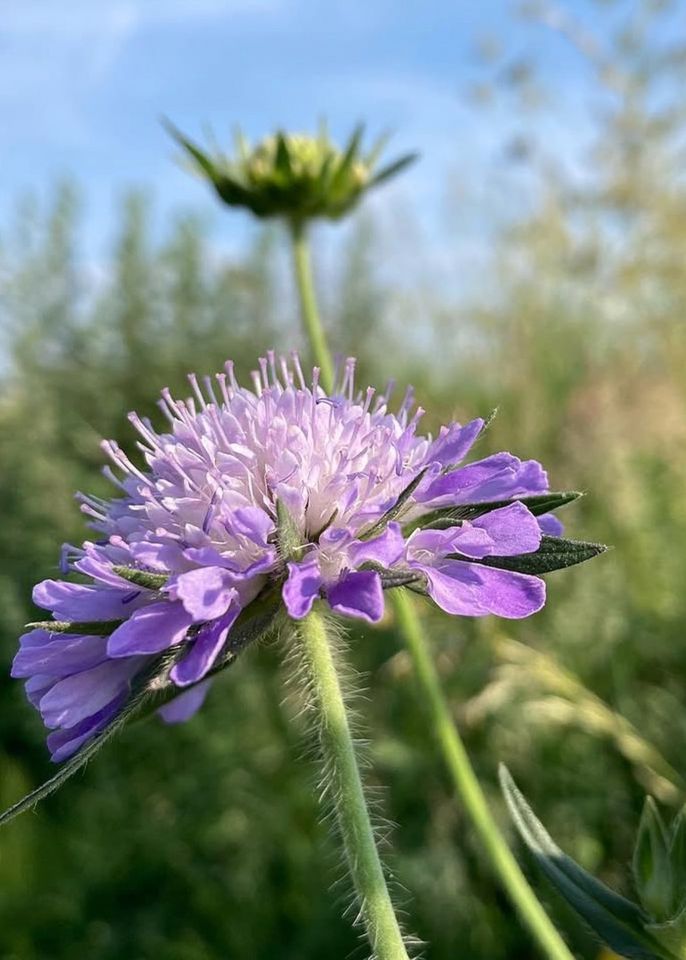
Field Scabious (Knautia arvensis) offers charming lilac pin-cushion flowers that attract bees and butterflies.
Approx 30 seeds
Delivered in 2–3 working days — letterbox delivery from £2.95, free over £25
 We offset delivery emissions
Want to send this as a gift? Add a gift note in your bag.
Scabious 'Field' seeds produce charming, nectar-rich flowers ideal for attracting pollinators. Sow from January to April or August to September. They prefer full sun and well-drained soil. Regular watering is essential, especially during dry spells. Flowers typically appear in summer, perfect for fresh or dried arrangements.
This perennial wildflower thrives in UK gardens and wildflower meadows, blooming from summer to autumn. Once valued for its traditional medicinal uses, Field Scabious now adds natural beauty and supports pollinators. Sow in well-drained soil and enjoy its delicate blooms that brighten borders and wildflower areas.
Delivered within 2–3 working days. On its own, this packet ships letterbox delivery at £2.95. Fits through a standard letterbox, so no one needs to be home.
Delivery is priced on the size of your whole order, so adding more may move it into the next band:
Gifting. We can include a handwritten note — add your message in your bag.
More info in our FAQs, or get in touch if something hasn’t arrived.
Field Scabious seeds are best sown outdoors in well-drained soil during spring or autumn, aligning with their natural growth cycle from January to April and August to September. This perennial thrives in sunny locations such as window boxes, balconies, containers, or garden beds, making it a versatile choice for various settings. Its hardy nature means it largely looks after itself once established.

Sow the seeds on firm, damp soil and lightly cover them to aid germination. Keeping the soil consistently moist during the sowing months of January to April and August to September supports successful sprouting of these native wildflower seeds.

Once seedlings emerge, thin them to avoid overcrowding, allowing adequate space for growth up to a pot size of 35 cm or in garden beds. This ensures healthy development and supports the plant's natural spread as it grows through June to September.

Water Field Scabious regularly to keep the soil moist but not waterlogged, particularly during dry spells in the growing months. Deadheading spent flowers encourages prolonged blooming and supports pollinators, while minimal intervention is needed as the plant generally looks after itself.
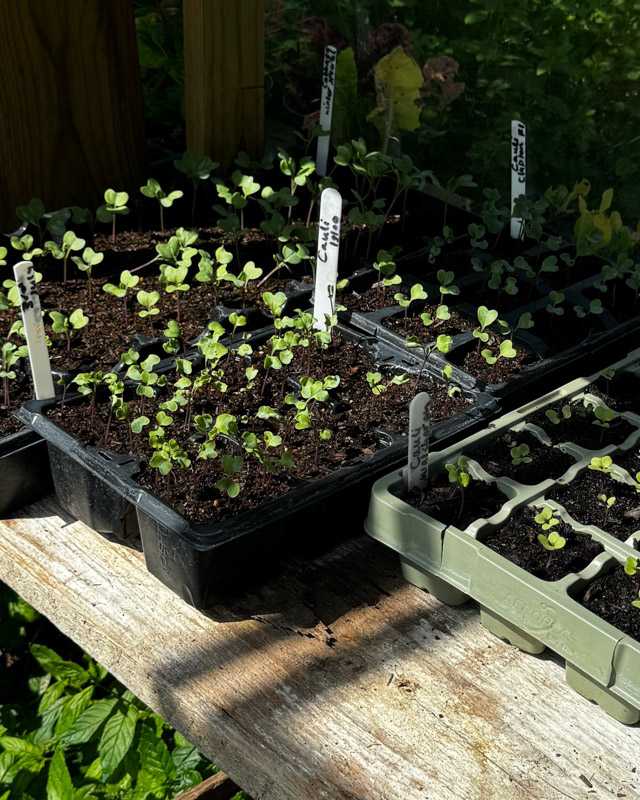
Ideal for pots, borders, and wildflower meadows; attracts pollinators and makes lovely cut flowers.


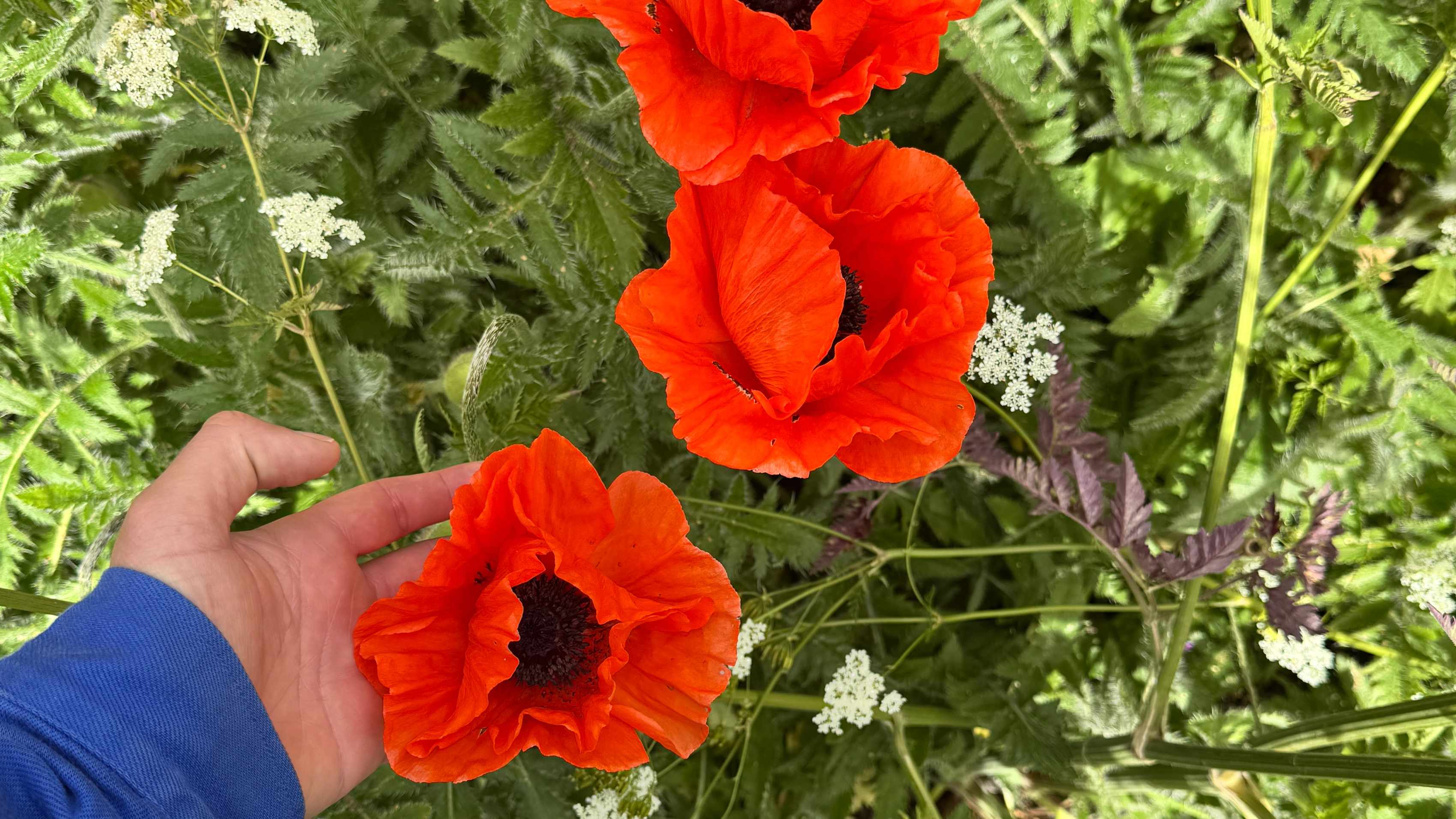
Field Scabious, native to the UK, has a rich history in herbal remedies. Its name originates from the Caucasus Mountains, highlighting its natural heritage. This flower supports biodiversity by attracting bees, butterflies, and other beneficial insects throughout summer.
| Other Names | Pincushion Flower and Lady's Pincushion |
|---|---|
| Pet/Baby Safe | Non-toxic |
Sow from January to April, and August to September. Seedlings usually appear in 7–14 days. Watering: keep soil moist but not waterlogged.
Typically 60-90cm tall, making it perfect for borders and wildflower meadows.
Yes, it returns year after year with proper care. This is a perennial, so one sowing keeps going year after year rather than needing to be repeated each spring. Harvest: Cut flowers in summer when fully open. Flowering runs June to September.
Yes — this is a straightforward packet to give, and what makes it work as a gift is mostly timing. Sowing runs January to April, and August to September, so a packet given inside that window can go straight in, and one given outside it keeps perfectly well until the season comes round.
There are approximately 30 seeds in the packet. On effort it looks after itself, which matters if you are giving it to someone new to growing. It suits beds, borders and pollinator gardens, so it works for a small space as well as a garden.
No reviews yet for Field Scabious Seeds. If you have grown it, yours would be the first.
Recent reviews of other Herboo seeds. These are not ratings of Field Scabious Seeds.
thanks guys
thanks
Lovely packet of seeds, bought one for me and one as gift :)