Foxglove 'Apricot' Seeds
Digitalis purpurea 'Apricot'
rosettes of soft apricot blooms on tall spires.
A tall, flowering perennial that is native to Europe. It grows clusters of beautiful, soft pink, apricot bell-shaped flowers on tall spires that bloom in early summer. Its coarse green foliage grows in rosettes, and the plant thrives in light shade conditions, making it a lovely ornamental option to plant amongst trees or a neighbouring hedge for a bit of fresh colour and intrigue.
Approx 150 seeds
- Pollinator-Friendly
- Cut Flowers
- Most Light Conditions
- Pot Fans
Foxglove 'Apricot' Seeds – Quick Growing Guide
Foxglove 'Apricot' seeds can be sown from March to September, either directly outdoors or in pots. They prefer partial shade and well-drained soil. Germination takes 7–14 days. Regular watering keeps soil moist but not waterlogged. Ideal for adding soft apricot hues to cottage gardens and borders.
How to Sow, Grow and Harvest Foxglove 'Apricot' Seeds
- Sow:March–September, direct or in pots
- Germination:7–14 days
- Grow:Partial shade, well-drained soil
- Water:Keep soil moist, avoid waterlogging
- Harvest:Flowers appear in summer; cut for indoor display
- Best for:Borders, cottage gardens, pots
Foxglove 'Apricot' is a striking biennial native to Europe, producing clusters of apricot-coloured, bell-shaped flowers on tall stems in early summer. Its coarse green rosettes thrive in light shade, making it ideal for planting near trees or hedges to add delicate colour and attract pollinators.
Delivered within 2-5 working days via our standard delivery
Standard Delivery
For standard delivery, we’ll work with our delivery partners to ensure you receive your delivery within 2-5 working days.
Express Delivery
You can also send this item the next day, just place the order before 11 am and we'll get it sent out the same day to arrive the following day.
Gifting
Want to send this as a gift? We can include a handwritten note, just add what you'd like to write at checkout.
If you’re worried about your delivery or have any other questions please get in touch via our contact page and one of our team will come back to you as soon as we can.
For more information on our shipping services, have a look at our FAQs.
Grow in Your Garden
Calendar
How to Grow
Foxglove 'Apricot' seeds can be started indoors during the warmer months from April to July or sown directly outside in light shade from September to November. This biennial plant prefers moist, well-drained soil to ensure healthy germination and growth.

Sowing
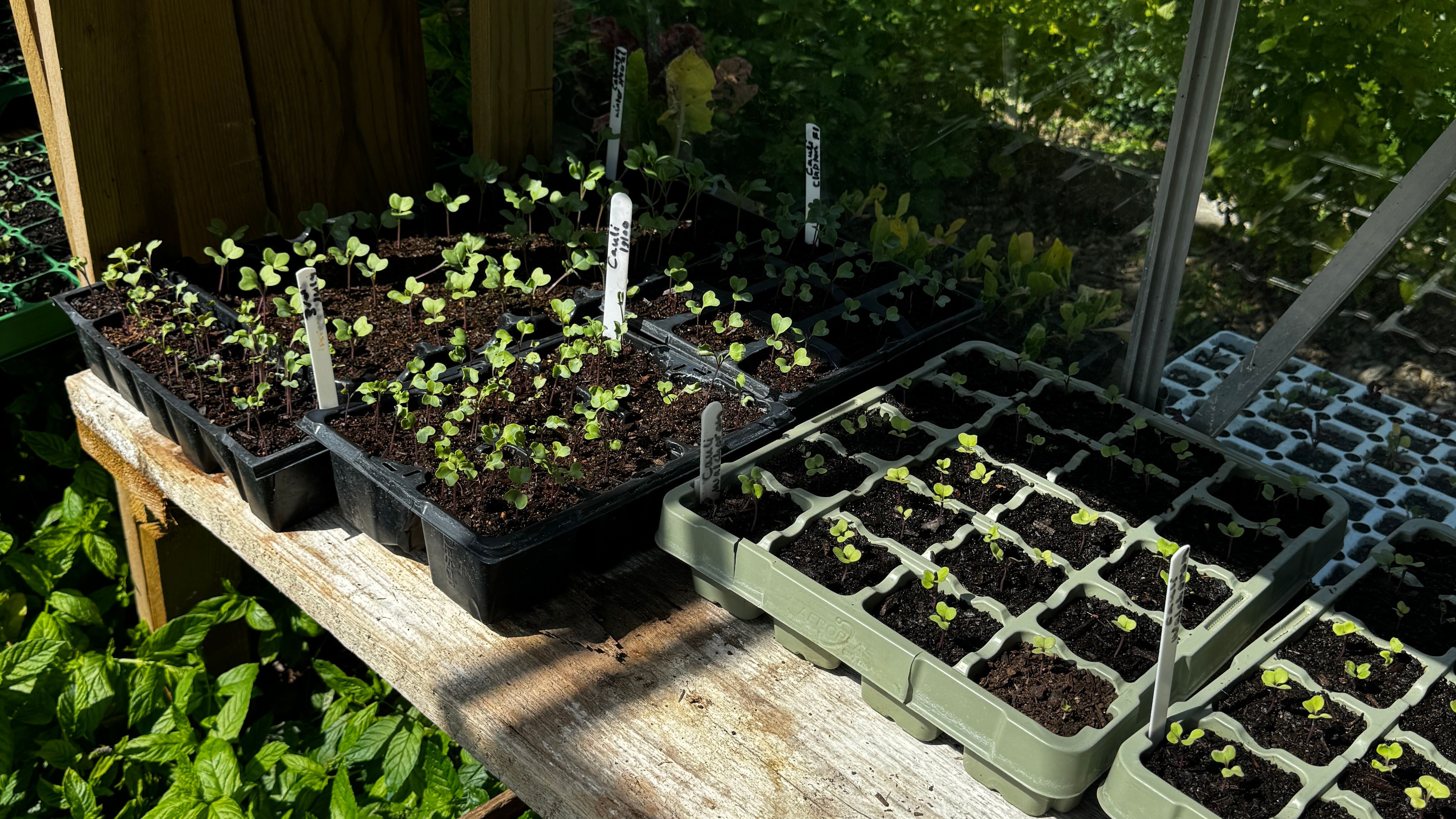
Sow the seeds about 3mm deep into a small tray filled with compost, then water gently and cover with a clear container to maintain warmth, ideally on a warm windowsill. This method supports the seeds' need for consistent moisture and warmth during the April to July and September to November sowing periods.

Growing
Once seedlings have grown, thin them to allow enough space for development or pot them on to a 40 cm container if growing in pots. Given the foxglove's height and spread, spacing is important to accommodate its elegant flowers and ensure airflow.

Plant care
Keep the soil consistently moist but not waterlogged throughout the growing months of April to July. Deadhead spent flowers to encourage further blooming and maintain the plant's appearance, especially when grown in balconies, terraces, containers, or garden beds.
About Foxglove 'Apricot'
Pollinator-friendly biennial, ideal for pots or borders, blooms early summer
- Pollinator-Friendly

- Cut Flowers

- Most Light Conditions

- Pot Fans

Eventual height & spread

History of Foxglove 'Apricot'
Foxglove (Digitalis purpurea) is known for its glove-shaped flower spikes and folklore links to fairies. This variety’s apricot tones add warmth and charm to any garden setting. It prefers well-drained soil and partial shade.
| Other Names | Goblin gloves, witches' gloves and dead men's bells |
|---|---|
| Pet/Baby Safe | Known to be toxic |
FAQs
Sow indoors in spring or directly outside from late spring to early summer.
Yes, foxgloves are hardy and can withstand frost once established.
They typically grow between 90-120cm tall.