Reviewing
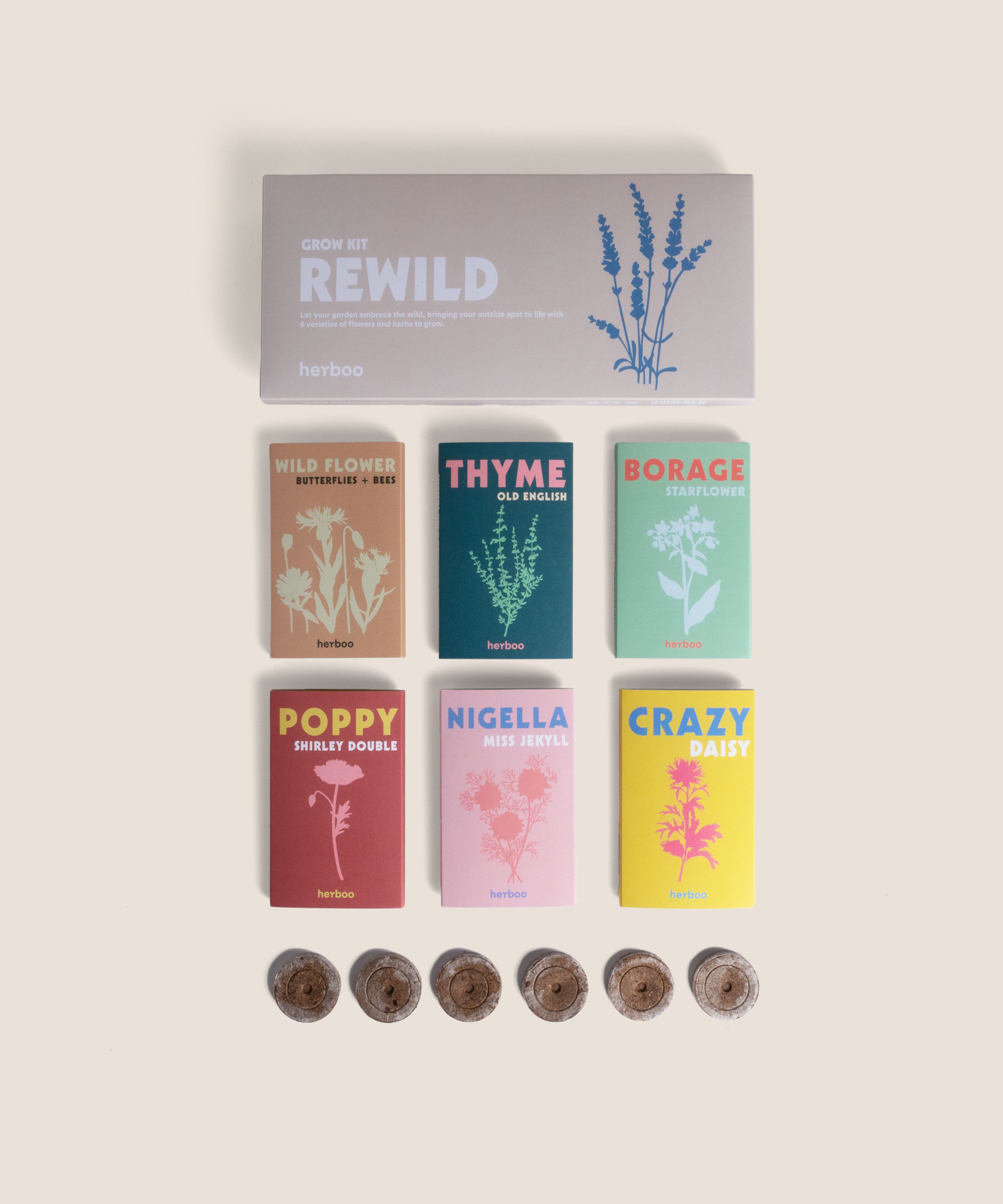
Rewild Garden Seed Box2 Sept 2026
Quick delivery
thanks guys
Tom Waites
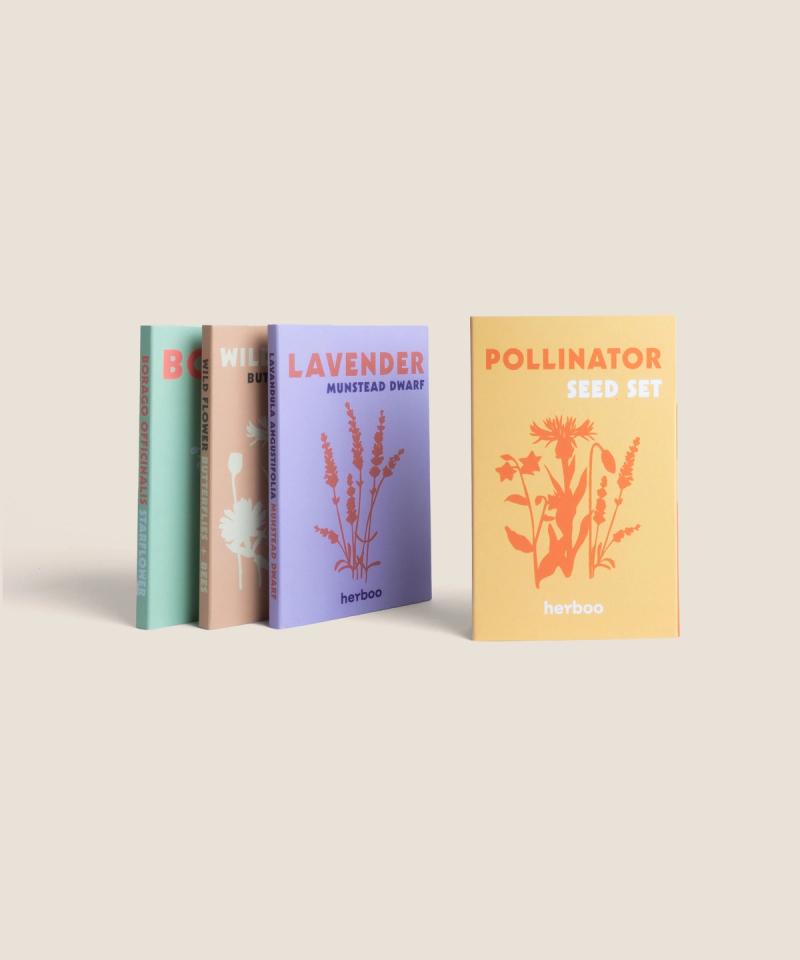
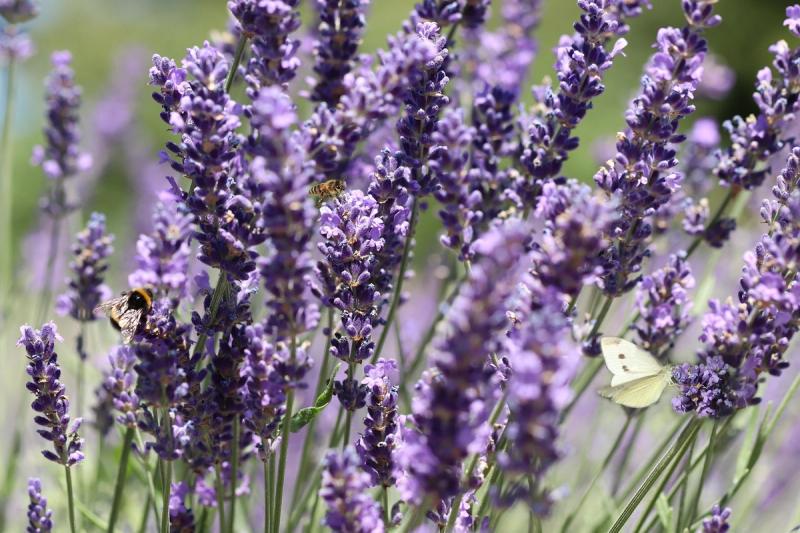
Seeds to grow and bring bees to your garden.
What is a garden without bees dancing across your blooms? These seeds help you easily grow nectar flowers for pollinators to thrive.
Only 2 left
Only 2 left
Delivered in 2–3 working days — standard delivery from £4.50, free over £25
 We offset delivery emissions
Want to send this as a gift? Add a gift note in your bag.
This pollinator seed set contains a mix of wildflower seeds ideal for attracting bees, butterflies, and other beneficial insects. Sow from spring to early autumn for vibrant, nectar-rich flowers that support pollinator populations and enhance your garden’s biodiversity.
Borage, Lavender Munstead Dwarf, Wildflower Mix
Create a lively, pollinator-friendly space with this carefully selected seed set. Featuring Borage, Lavender Munstead Dwarf, and a wildflower mix, these open-pollinated, GMO-free seeds are perfect for encouraging bees, butterflies, and other beneficial insects to thrive.
Delivered within 2–3 working days. On its own, this item ships standard delivery at £4.50. Sent as a single parcel.
Delivery is priced on the size of your whole order, so adding more may move it into the next band:
Gifting. We can include a handwritten note — add your message in your bag.
More info in our FAQs, or get in touch if something hasn’t arrived.
Start The Pollinator Seed Set indoors between February and June in a warm, sunny spot to ensure strong germination. These seeds prefer well-prepared soil with good drainage and plenty of sunlight, making balconies, terraces, containers, and garden beds ideal locations for growing.

Sow the seeds thinly onto good seed compost, lightly cover them, and keep the soil moist. Place the container in a clear, warm, sunny environment to encourage successful germination.

Once seedlings emerge, thin them to avoid overcrowding and allow ample space for growth, supporting healthy development through the growing months from May to September. This practice helps maintain the plant’s natural spread and supports its role in attracting pollinators.

Keep the soil gently moist, watering regularly until the seedlings are well established, then reduce frequency as the plants mature. Deadhead spent flowers to encourage continuous blooming and extend the flowering period, enhancing the garden's appeal to bees and butterflies throughout the season.
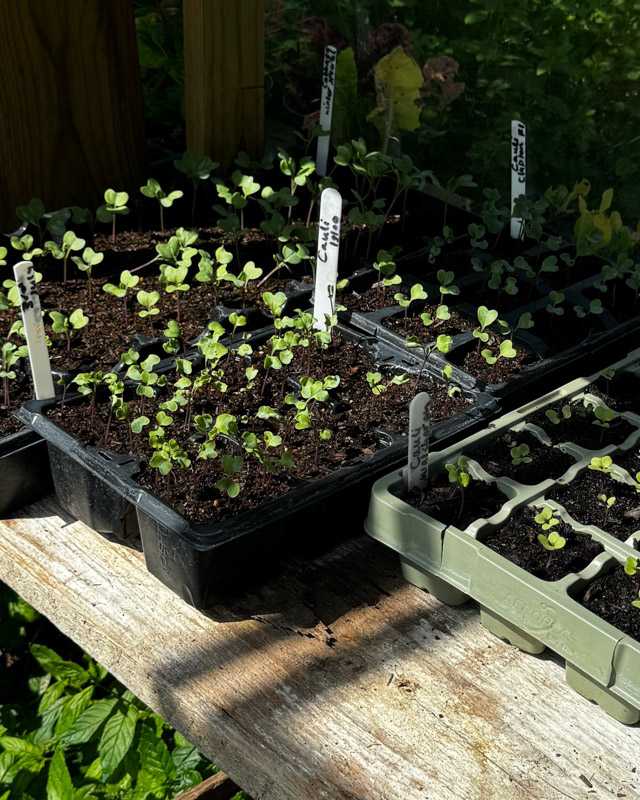
Easy to grow, pollinator-friendly flowers that thrive in full sun and are suitable for pots or borders.


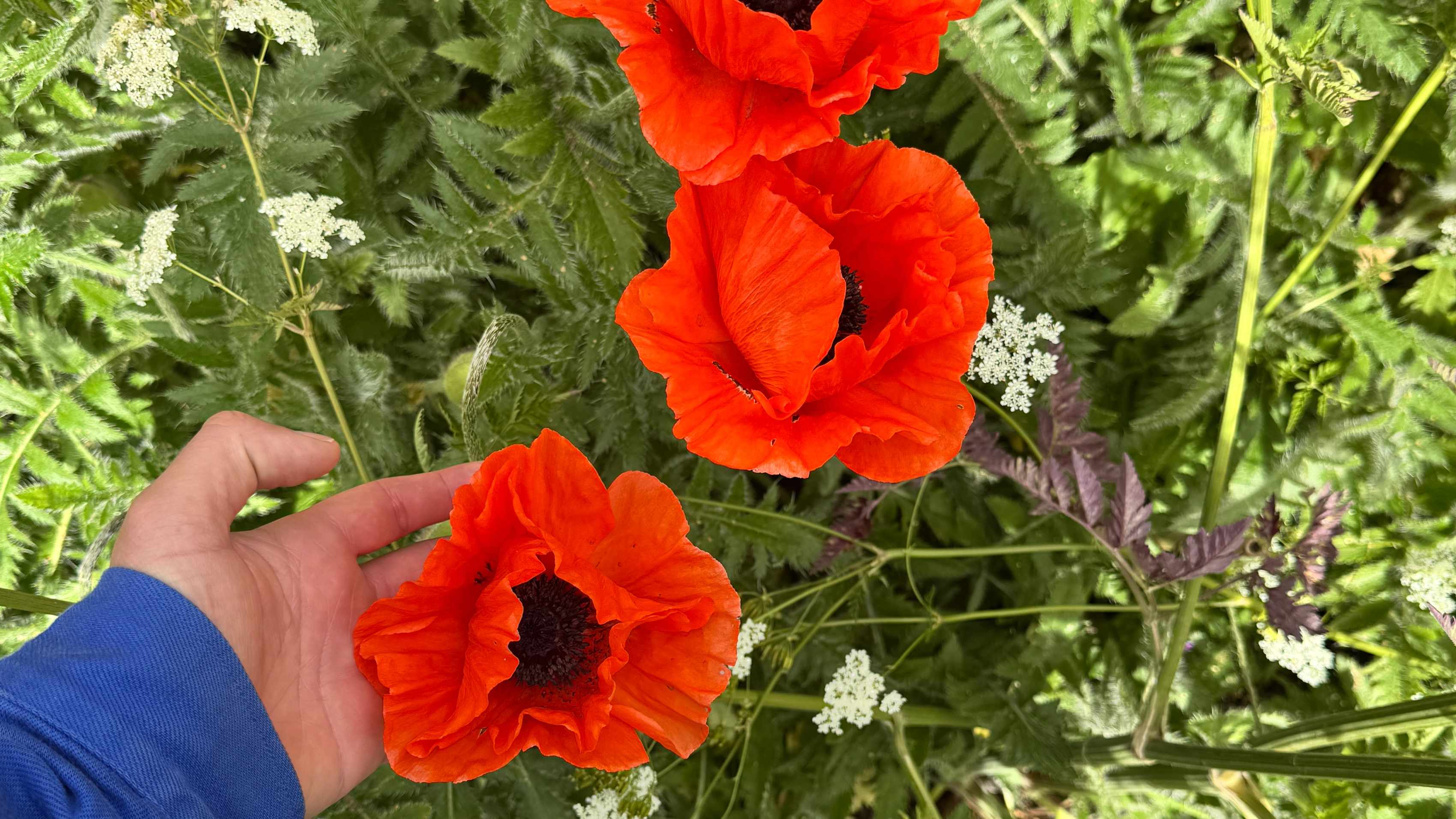
Pollination is essential for healthy ecosystems and food production. These seeds support local biodiversity by providing pollen and nectar for vital pollinators like bees and butterflies.
| Pet/Baby Safe | Toxic to cats and dogs |
|---|
Yes, but prepare the soil by removing existing grass and weeds for best results.
Stored in a cool, dry place, seeds can remain viable for 2-3 years.
Some are annuals and need reseeding, while others may self-seed or return perennially. Harvest: Flowers bloom from late spring to autumn; deadhead to prolong flowering. Flowering runs May to September.
Yes — a seed set is one of the easier gifts to get right for someone who gardens, because it arrives as a collection rather than a single variety. Sowing runs February to June, so a packet given inside that window can go straight in, and one given outside it keeps perfectly well until the season comes round.
On effort it looks after itself, which matters if you are giving it to someone new to growing. It suits beds, borders and wildflower meadows, so it works for a small space as well as a garden.
No reviews yet for Pollinator Seed Set. If you have grown it, yours would be the first.
Recent reviews of other Herboo seeds. These are not ratings of Pollinator Seed Set.
thanks guys
thanks
Lovely packet of seeds, bought one for me and one as gift :)