Reviewing
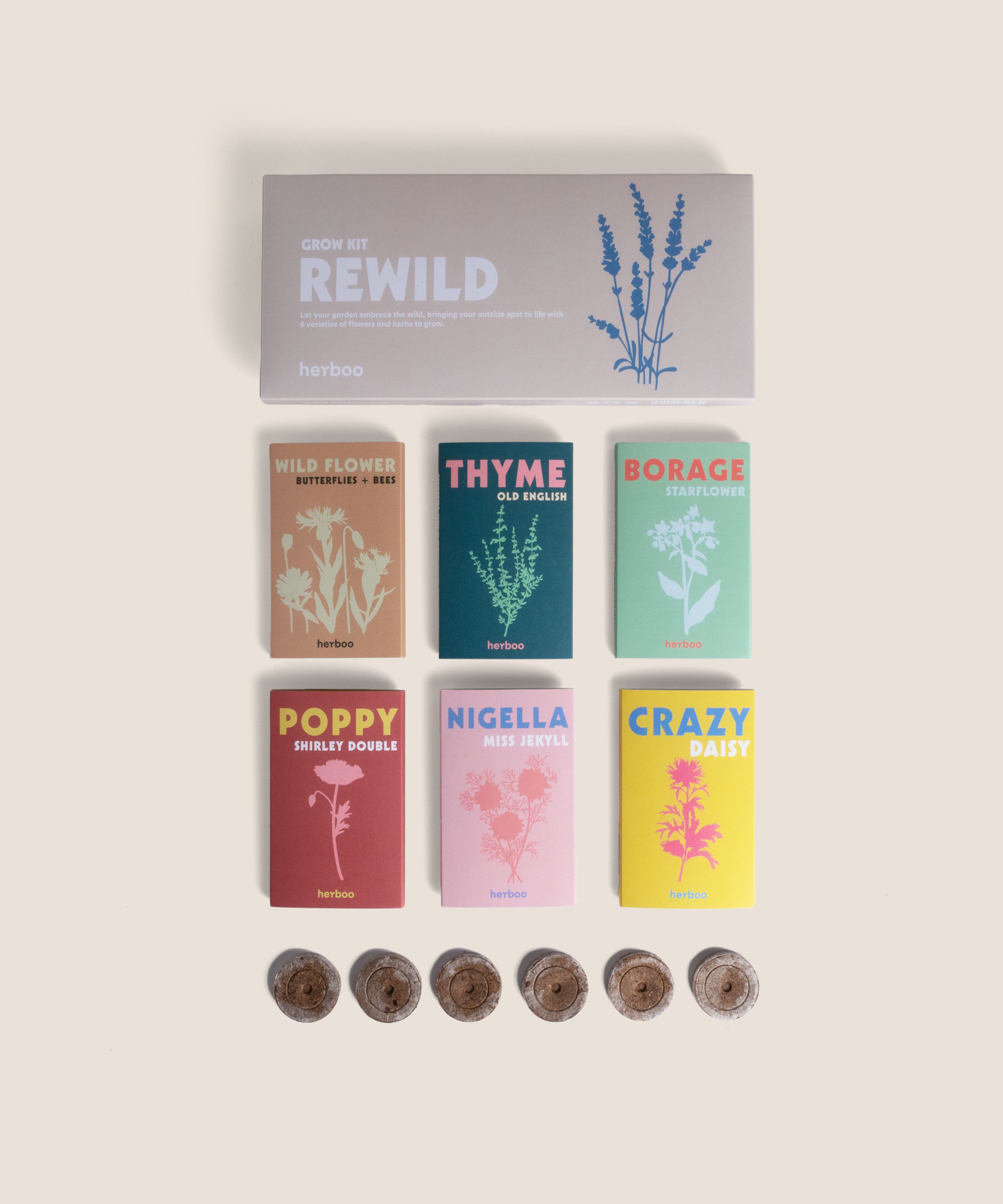
Rewild Garden Seed Box2 Sept 2026
Quick delivery
thanks guys
Tom Waites
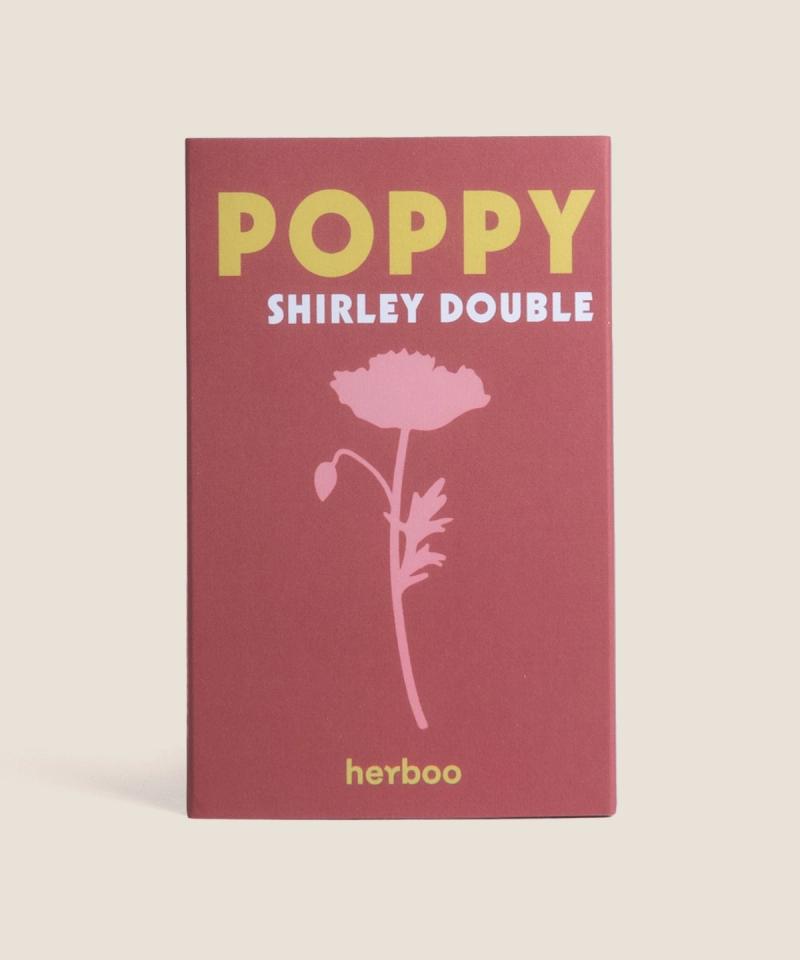
Papaver Rhoeas ‘Shirley Double’
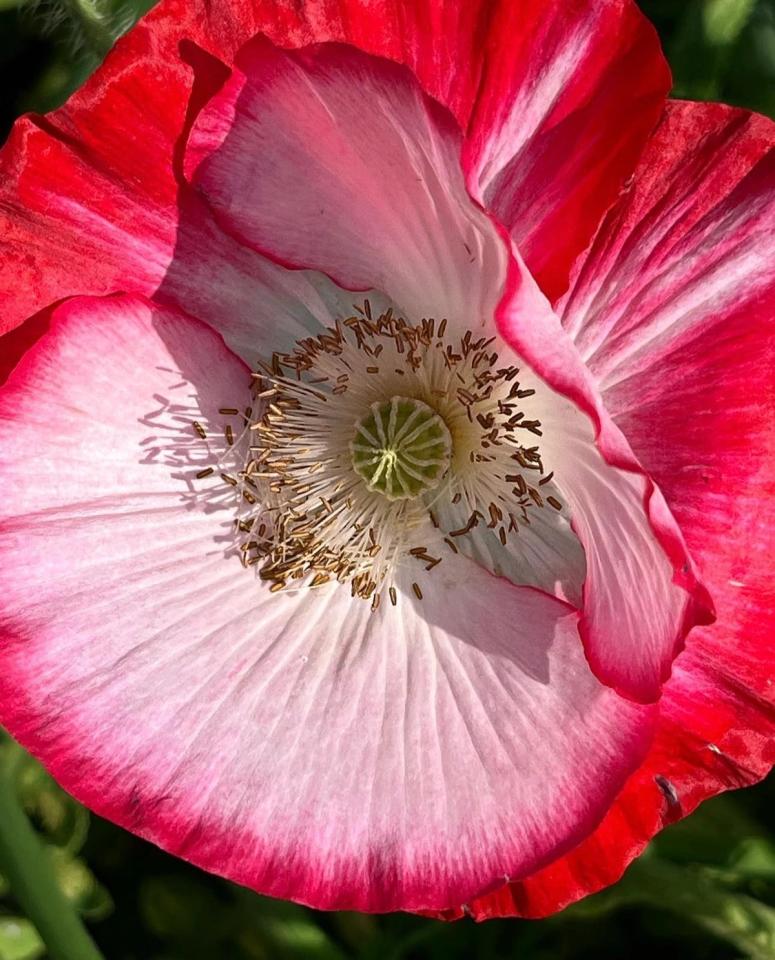
Frilly, tissue-paper blooms in reds, whites and pinks, Poppy ‘Shirley Double’ is a classic double poppy grown for cut flowers. These Shirley poppy seeds are perfect for sowing in drifts, producing airy stems ideal for bouquets as well as relaxed cottage-garden borders and pots.
Approx 2500 seeds
Delivered in 2–3 working days — letterbox delivery from £2.95, free over £25
 We offset delivery emissions
Want to send this as a gift? Add a gift note in your bag.
Poppy 'Shirley Double' seeds produce charming double-flowered poppies ideal for brightening gardens and bouquets. Sow outdoors from March to May or August to October; they prefer full sun and well-drained soil. These hardy plants thrive with moderate watering and offer vibrant blooms from late spring to early summer.
Native to the UK, Shirley Double poppies flourish when sown in drifts, creating a delightful display as they sway in the summer breeze. Ideal for garden beds, containers or as cut flowers to brighten your home.
Delivered within 2–3 working days. On its own, this packet ships letterbox delivery at £2.95. Fits through a standard letterbox, so no one needs to be home.
Delivery is priced on the size of your whole order, so adding more may move it into the next band:
Gifting. We can include a handwritten note — add your message in your bag.
More info in our FAQs, or get in touch if something hasn’t arrived.
Poppy Shirley Double seeds are best sown outdoors directly into well-drained, light, airy soil during early spring or autumn, specifically from March to May and August to October. They thrive in full sun, which helps establish strong roots for their abundant, frilly blooms.

Scatter the seeds thinly on firm, moist soil and press them lightly into the surface without covering, as these poppy seeds require light to germinate. Keep the soil moist until seedlings emerge to ensure successful germination.

Once seedlings appear, thin them to about 20cm apart to allow each plant enough space to develop their characteristic 0.3m height and 0.2m spread. This spacing supports healthy growth in garden beds, terraces, or containers with a pot size of at least 25cm.

After establishment, Shirley Double poppies need minimal care but should be watered during prolonged dry periods. Deadhead spent flowers to encourage extended blooming from June to September, or leave seedheads on to allow gentle self-seeding for future seasons.
Shirley Double poppies are prized as cut flowers for their delicate, multi-layered petals and soft, romantic colour palette. Unlike heavier double poppies, their slender stems move beautifully in arrangements and dry well for informal displays. Regular cutting encourages continued flowering through early summer.



The Shirley Poppy was developed in 1880 by Reverend William Wilks in Shirley, England. It’s a charming variant of the field poppy with distinctive petals edged in white, adding a delicate contrast to gardens.
| Other Names | Common poppy, Corn poppy, Corn rose + Field Poppy |
|---|---|
| Pet/Baby Safe | Known to be toxic |
Sow from March to May, and August to October. Seedlings usually appear in 7–14 days. Watering: moderate; keep soil moist but not waterlogged.
They’re usually grown as annuals, but will often self-seed if you leave some seedheads to ripen, so they can reappear in the same spot year after year. It is an annual, completing its whole life in one season, so sow again the following year. Harvest: Pick flowers when buds begin to open for cut blooms. Flowering runs June to September.
Yes – deadheading spent blooms will keep plants flowering for longer. Towards the end of summer, leave a few flowers to form seedheads if you’d like them to self-seed.
Yes. Shirley Double poppy seeds are easy to grow when sown directly outdoors into well-drained soil. They germinate quickly, need little maintenance, and are ideal for beginner gardeners. On effort, this one looks after itself.
Yes. Shirley Double poppies are excellent cut flowers, valued for their delicate, multi-layered petals and soft, romantic colours. Cut stems just as the buds are starting to open for the longest vase life. Regular cutting also encourages the plants to keep producing new blooms.
Yes — this is a straightforward packet to give, and what makes it work as a gift is mostly timing. Sowing runs March to May, and August to October, so a packet given inside that window can go straight in, and one given outside it keeps perfectly well until the season comes round.
There are approximately 2500 seeds in the packet, so there is plenty to share. On effort it looks after itself, which matters if you are giving it to someone new to growing. It suits beds, borders and cut flower gardens, so it works for a small space as well as a garden.
No reviews yet for Poppy 'Shirley Double' Seeds. If you have grown it, yours would be the first.
Recent reviews of other Herboo seeds. These are not ratings of Poppy 'Shirley Double' Seeds.
thanks guys
thanks
Lovely packet of seeds, bought one for me and one as gift :)